 |
 |
 |
 |
 |
Category: all
Kyoto [ Heian-kyō ]

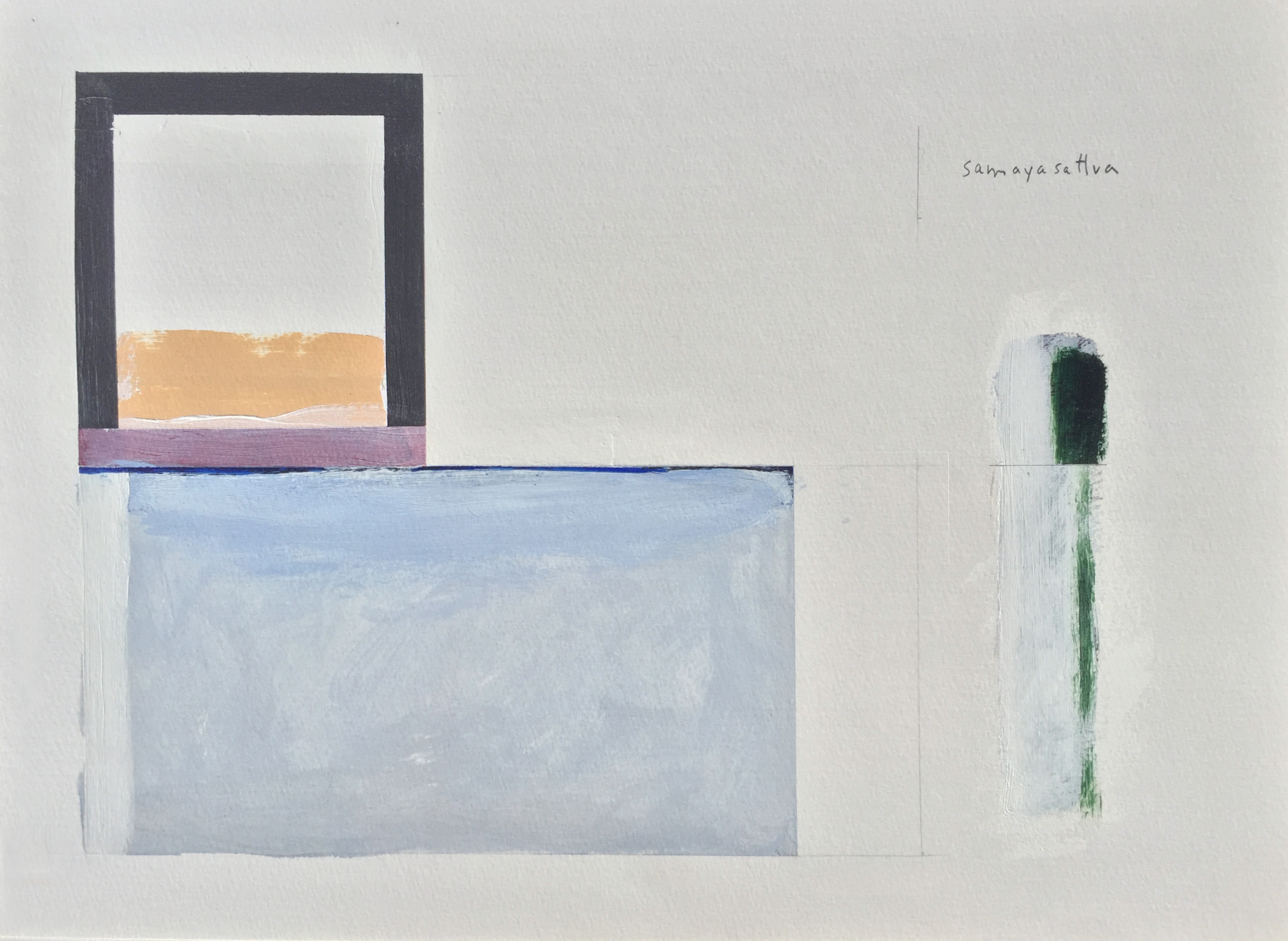
Heian-kyō grid plan, depicted after a two-block expansion to the north created the “northern zone” (kitanohe) in the 9th century.
from : Kyoto An Urban History of Japan’s Premodern Capital by Matthew Stavros
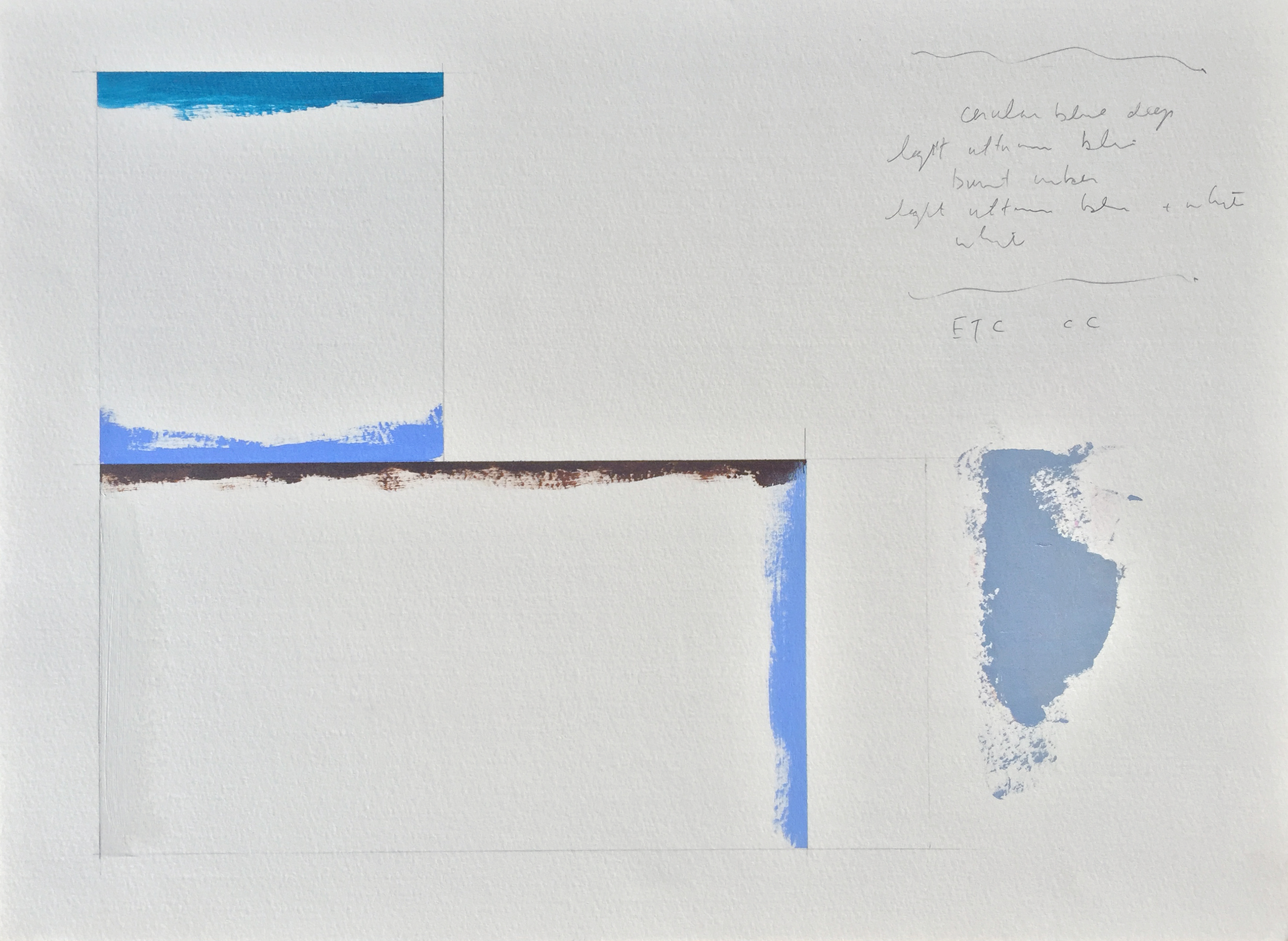
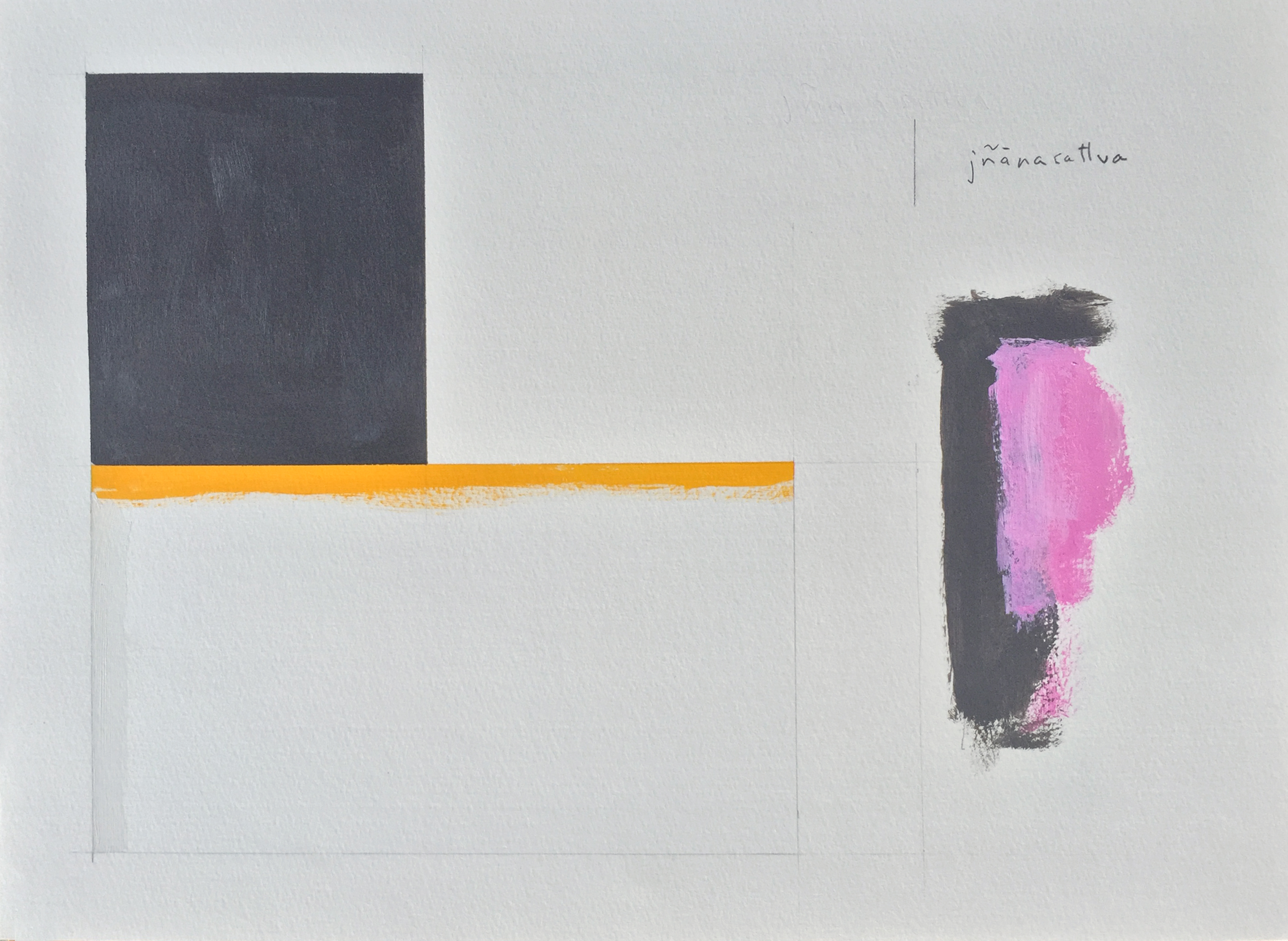
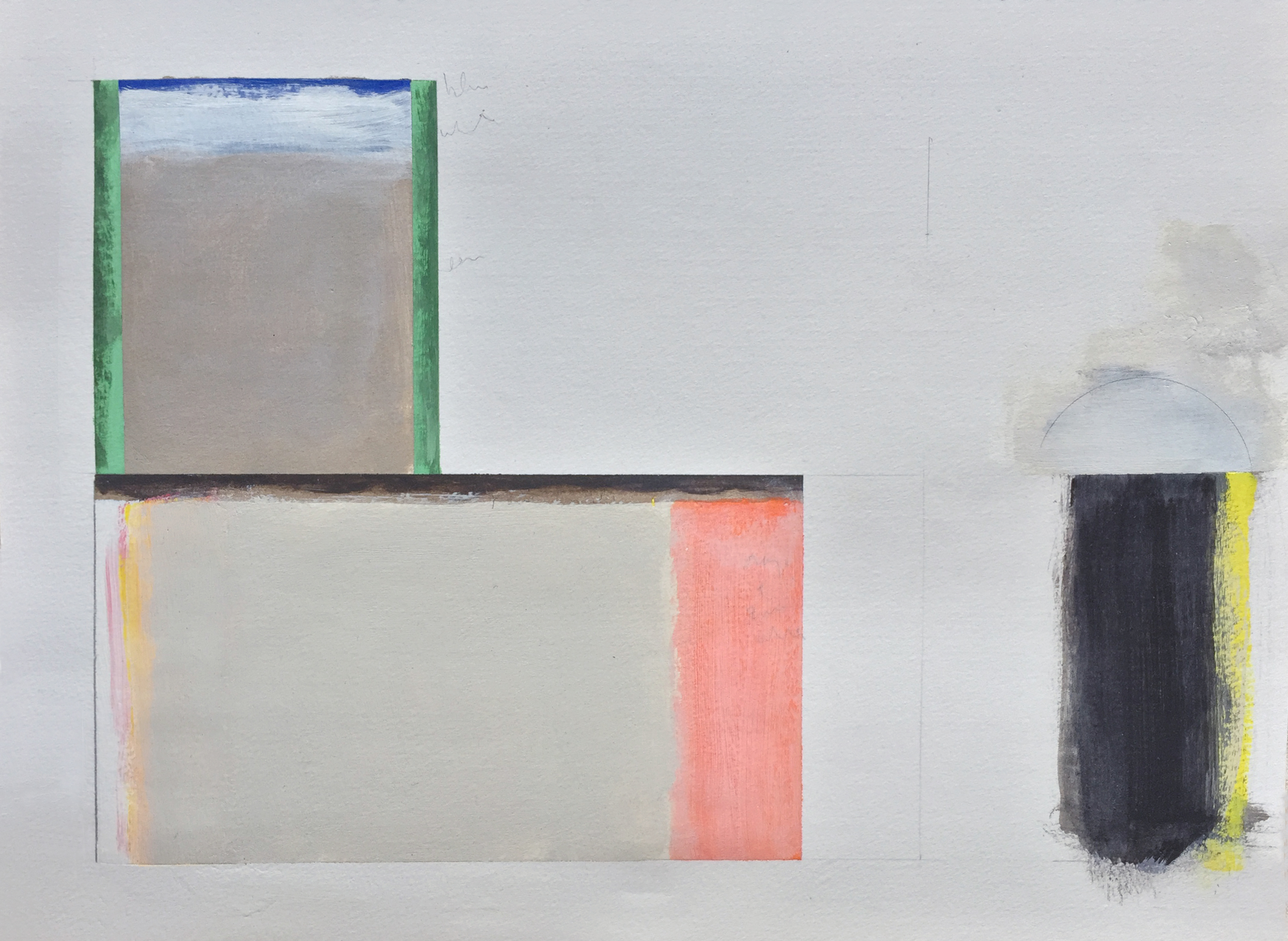
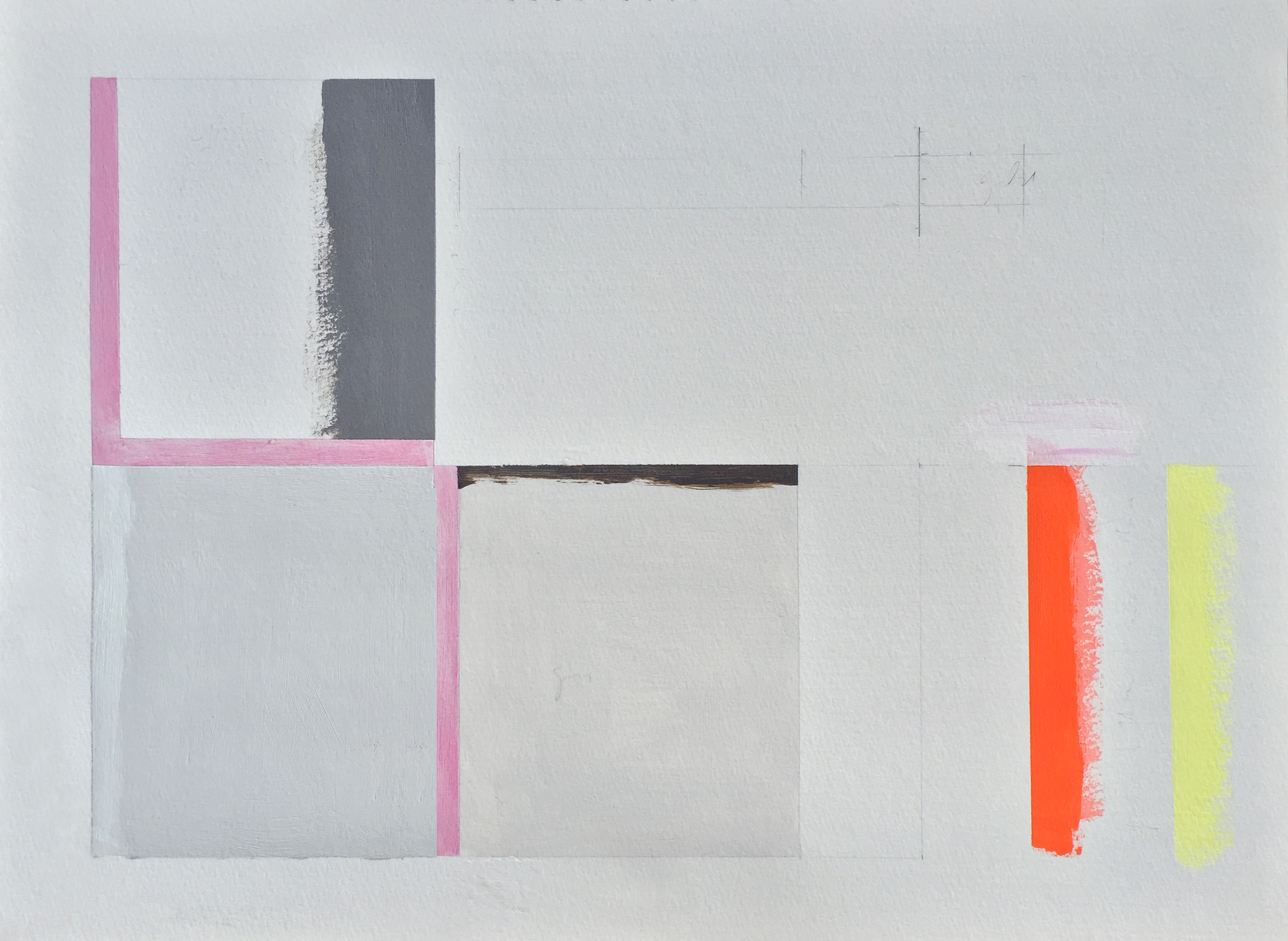
sketches [ from the black sketchbook ]
 |
 |
 |
 |
 |
 |
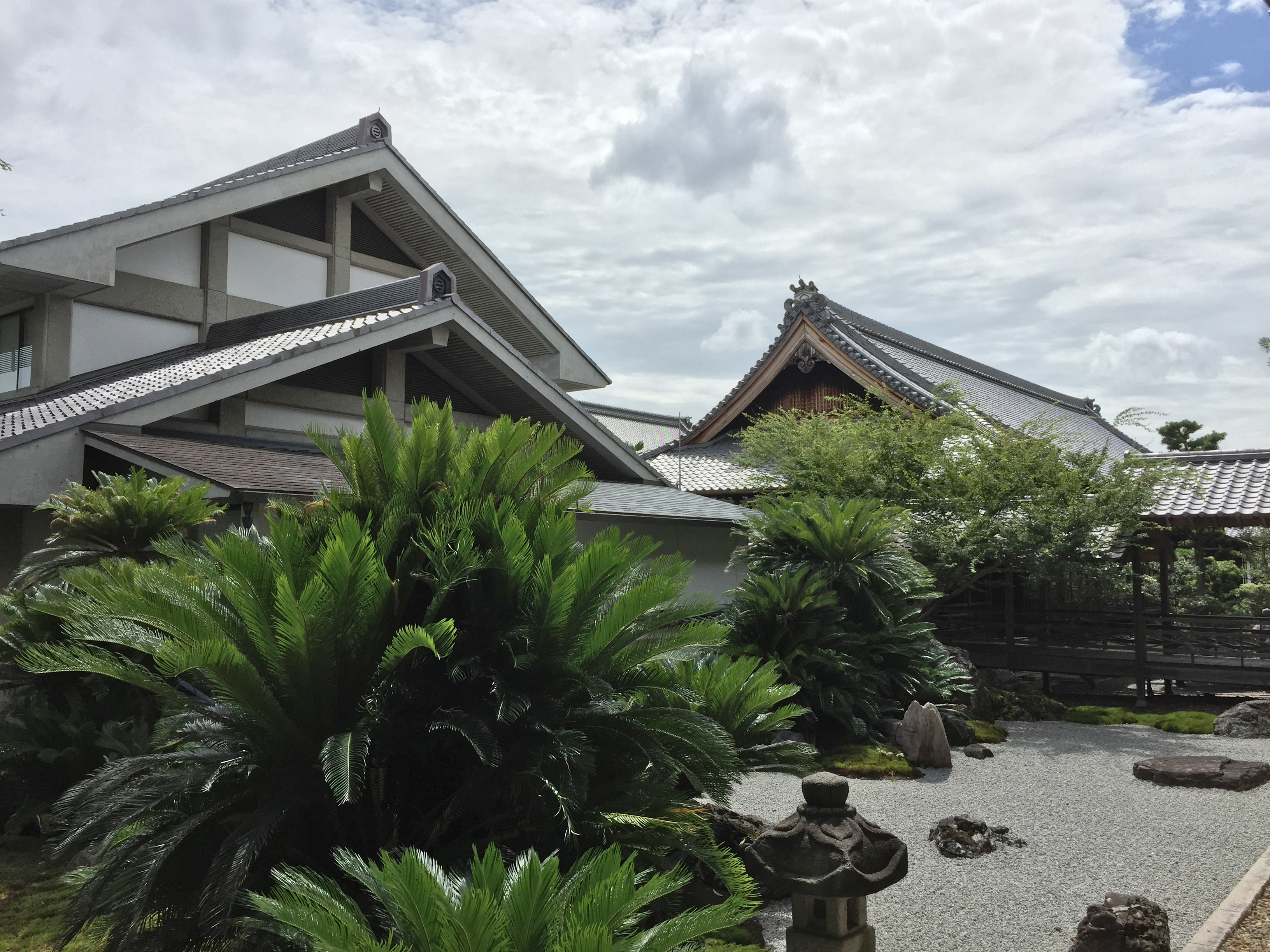
Shōkoku-ji 相国寺
 |
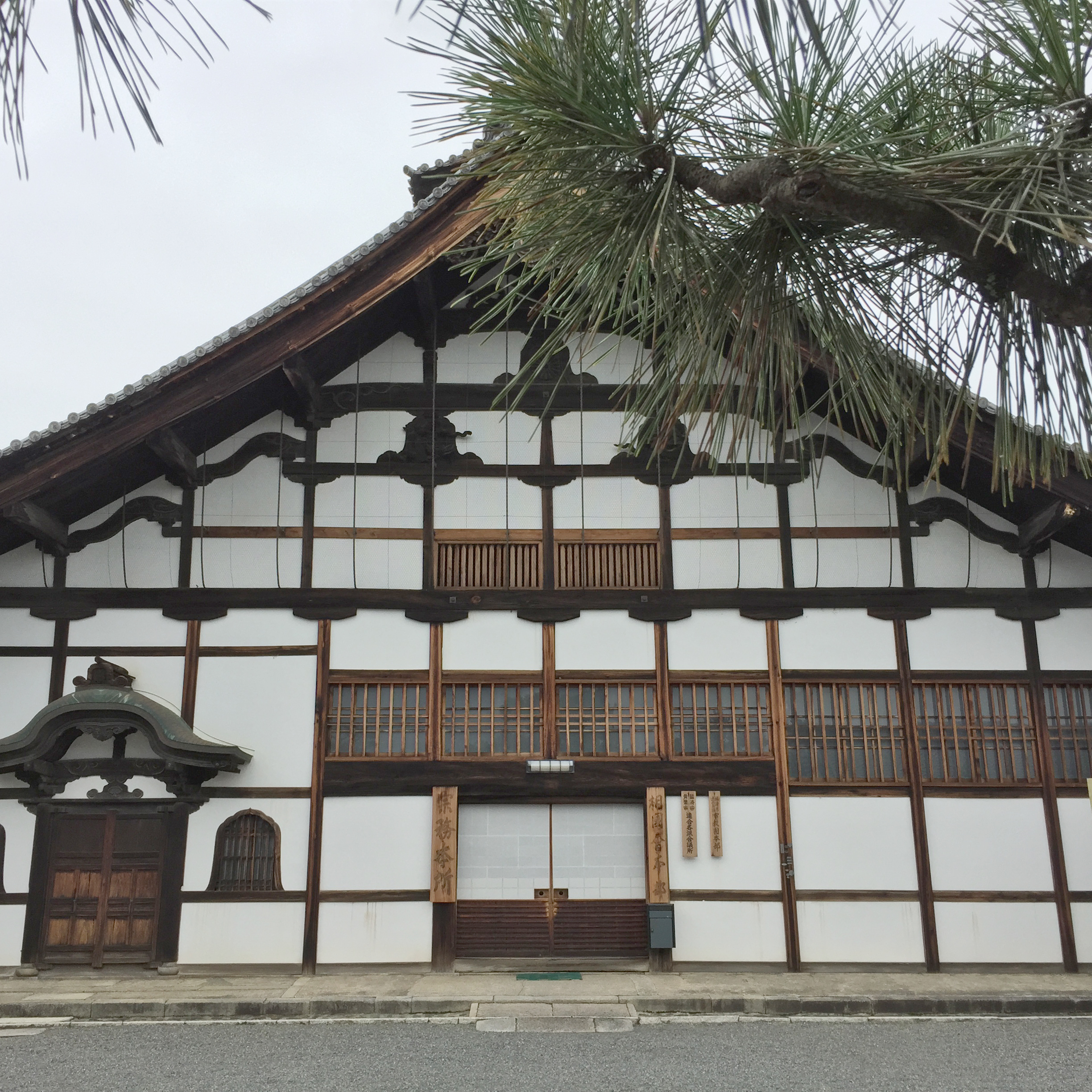 |
Shōkoku-ji (相国寺), formally identified as Mannen-zan Shōkoku Shōten Zenji (萬年山相國承天禅寺), is a Buddhist temple in northern Kyoto, founded in 1382 by Ashikaga Yoshimitsu.
Shimogamo Shrine 下鴨神社
 |
 |
 |
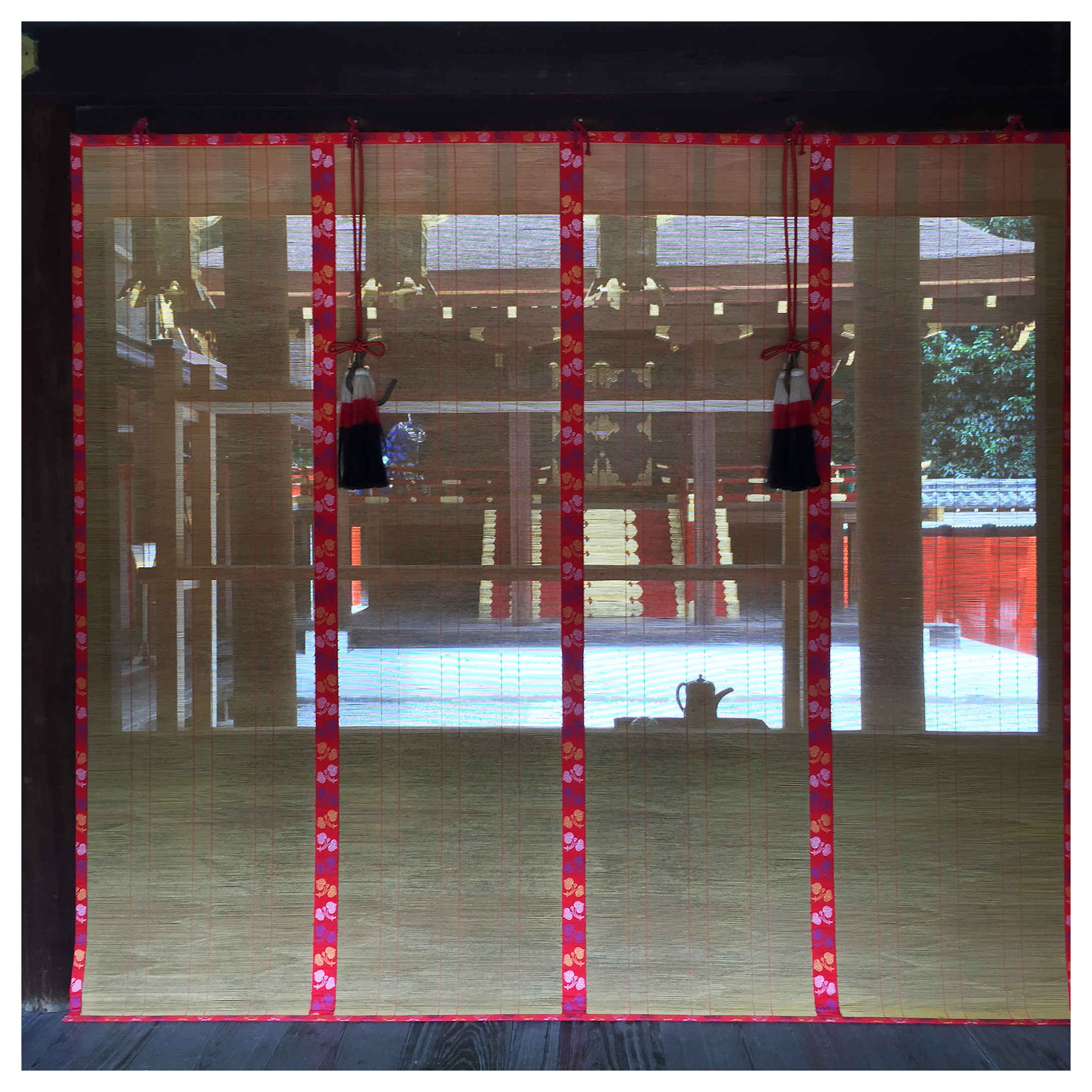 |
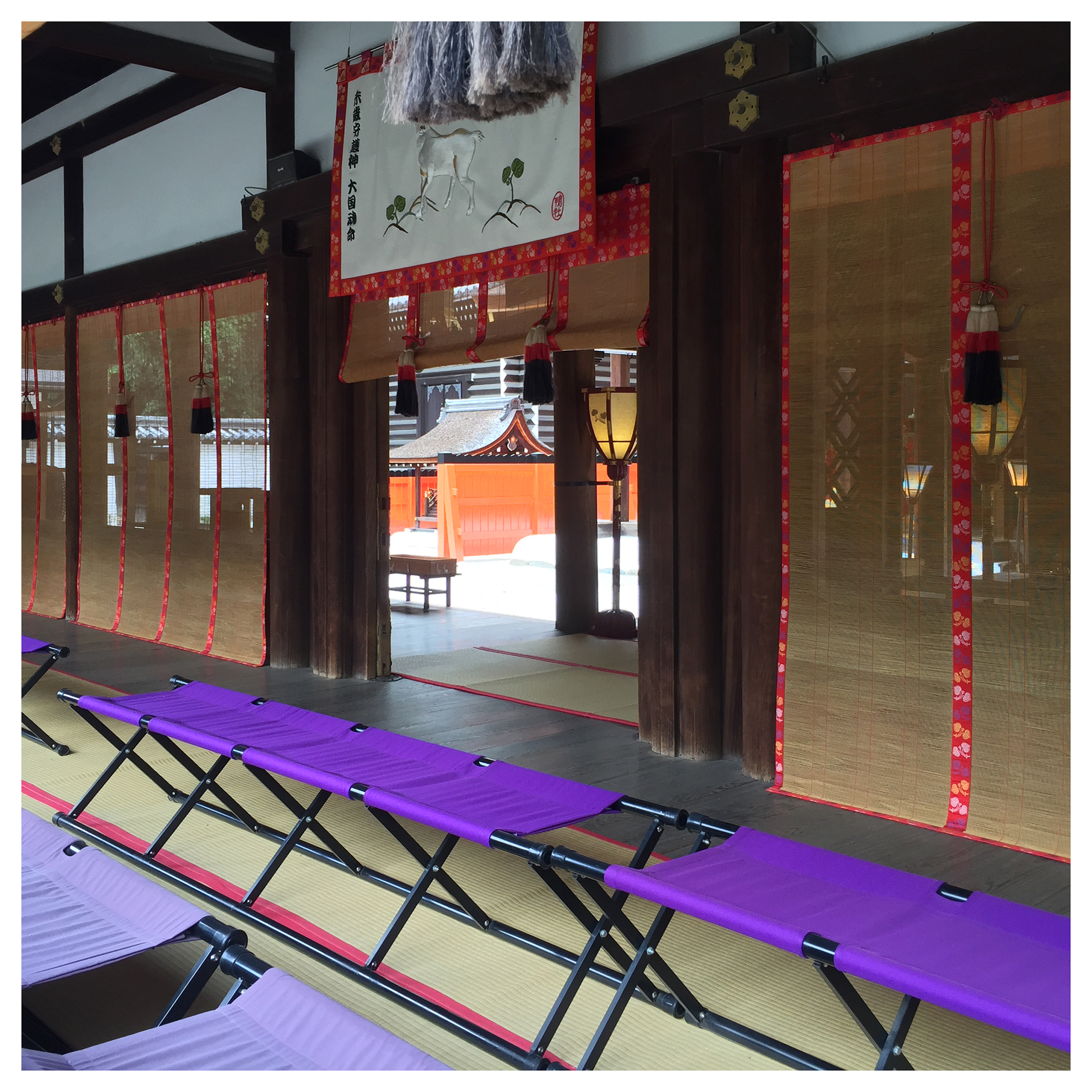
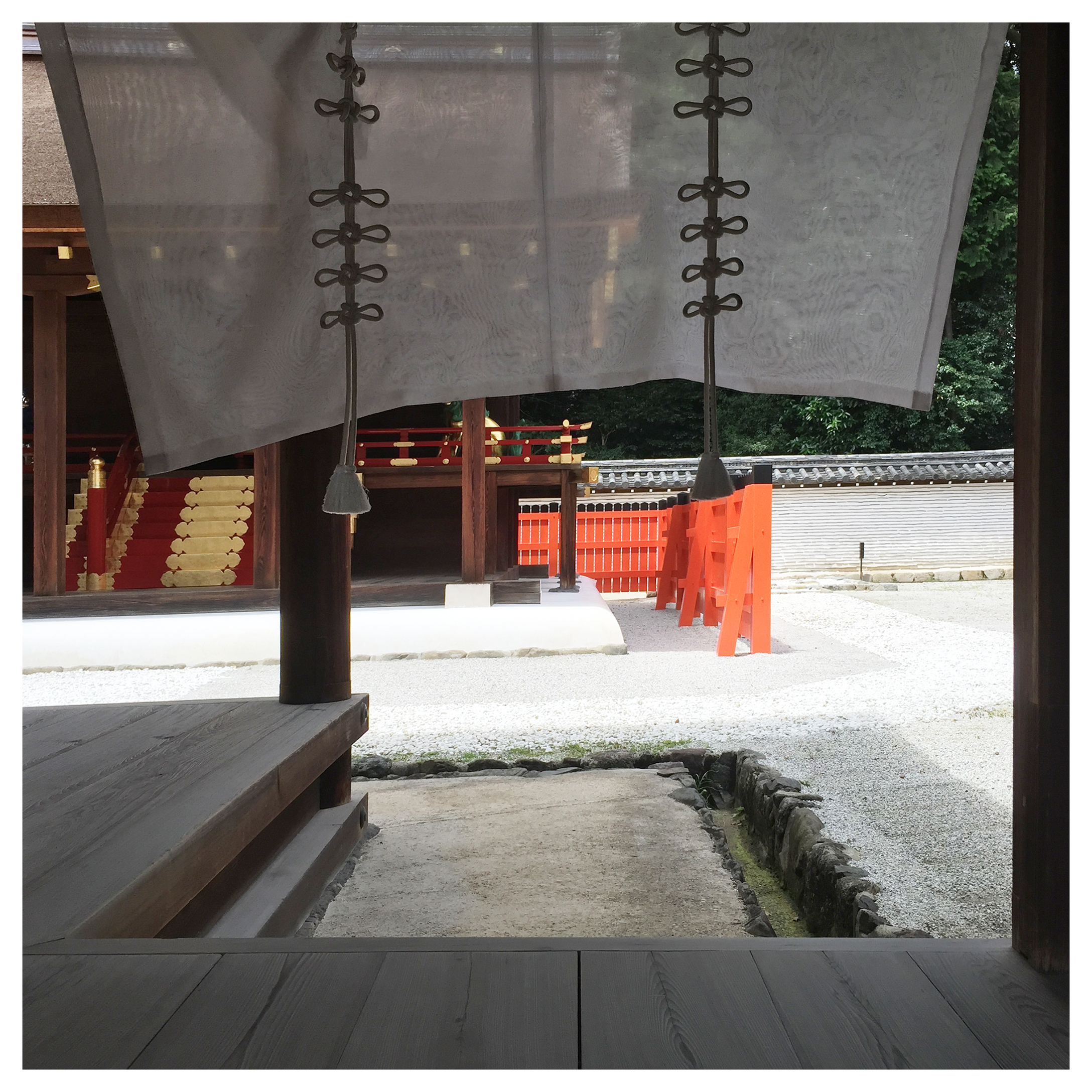
Shimogamo Shrine (下鴨神社 Shimogamo-jinja), is the common name of an important Shinto sanctuary in the Shimogamo district of Kyoto city’s Sakyō ward. Its formal name is Kamo-mioya-jinja (賀茂御祖神社). It is one of the oldest Shinto shrines in Japan and is one of the seventeen Historic Monuments of Ancient Kyoto which have been designated by UNESCO as a World Heritage Site. The term Kamo-jinja in Japanese is a general reference to Shimogamo Shrine and Kamigamo Shrine, the traditionally linked Kamo shrines of Kyoto; Shimogamo is the older of the pair, being believed to be 100 years older than Kamigamo, and dating to the 6th century, centuries before Kyoto became the capital of Japan (794, see Heian-kyō). The Kamo-jinja serve the function of protecting Kyoto from malign influences.
The jinja name identifies the Kamo family of kami or deities who are venerated. The name also refers to the ambit of shrine’s nearby woods, which are vestiges of the primeval forest of Tadasu no Mori. In addition, the shrine name references the area’s early inhabitants, the Kamo clan, many of whom continue to live near the shrine their ancestors traditionally served.
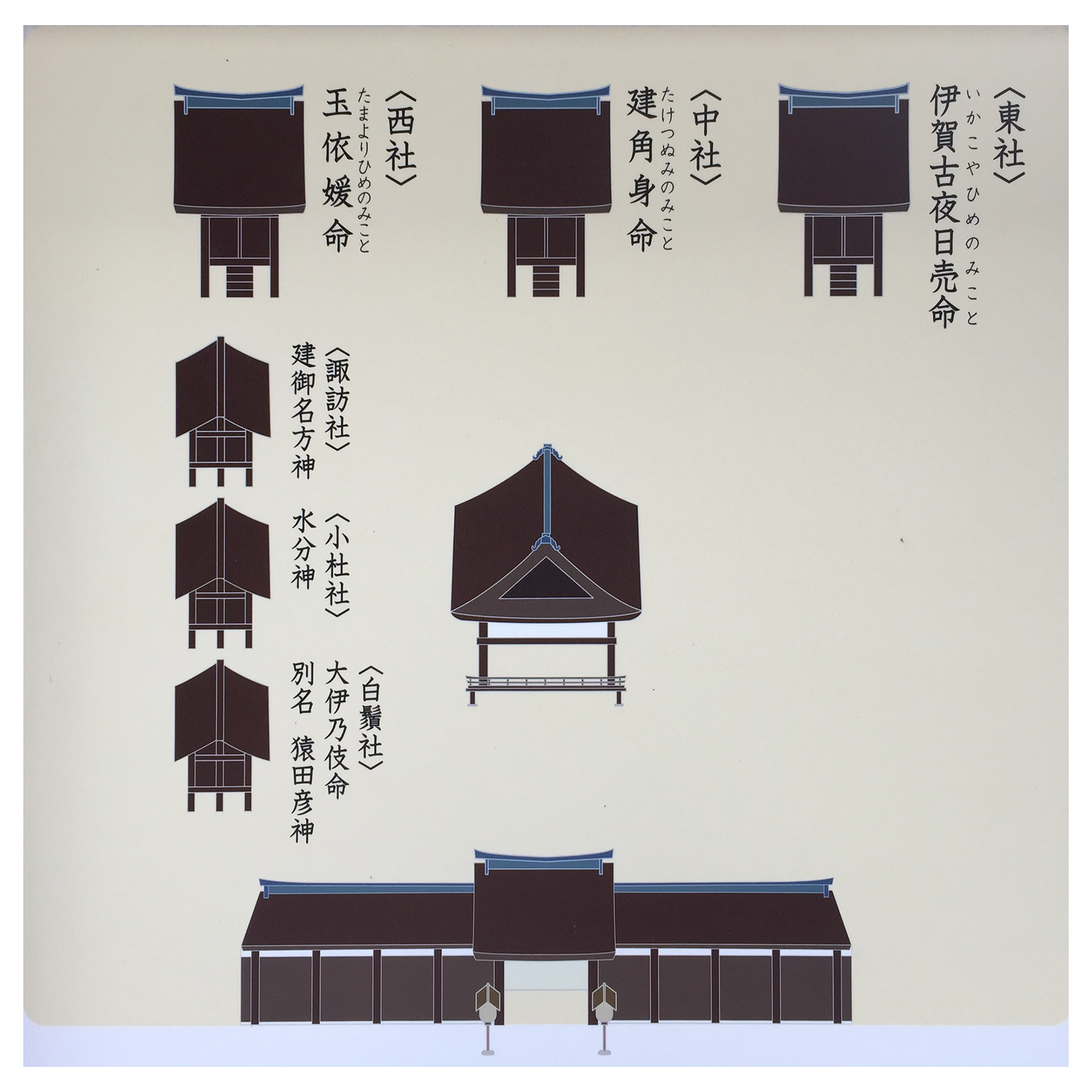
Shimogamo Shrine is dedicated to the veneration of Tamayori-hime (玉依姫; lit., the spirit-inviting maiden) and her father, Kamo Taketsunomi (賀茂建角身). Tamayori-hime is the mother of Kamo Wakeikazuchi (賀茂別雷; the thunder-divider of Kamo), who was sired by Honoikazuchi-no-mikoto (火雷神; the God of Fire and Thunder). Kamigamo Shrine, the other of the two Kamo shrines of Kyoto, is dedicated to Kamo Wakeikazuchi. These kami are variously associated with thunder.
Persephone
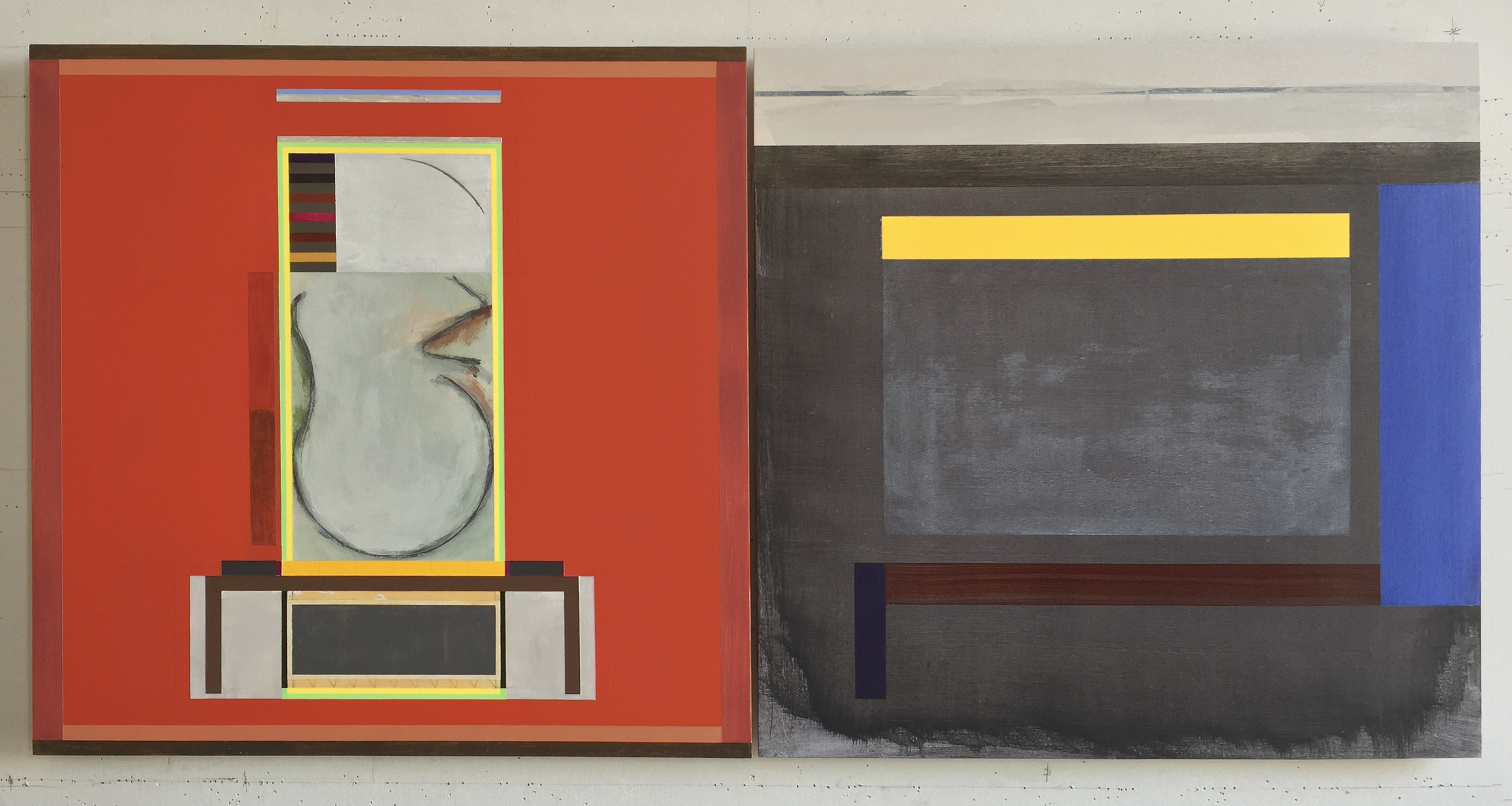
Persephone | diptych 18 x 36 1/4 [ inches ] | acrylic on wood panel
[ revised 2015-08-22 ]
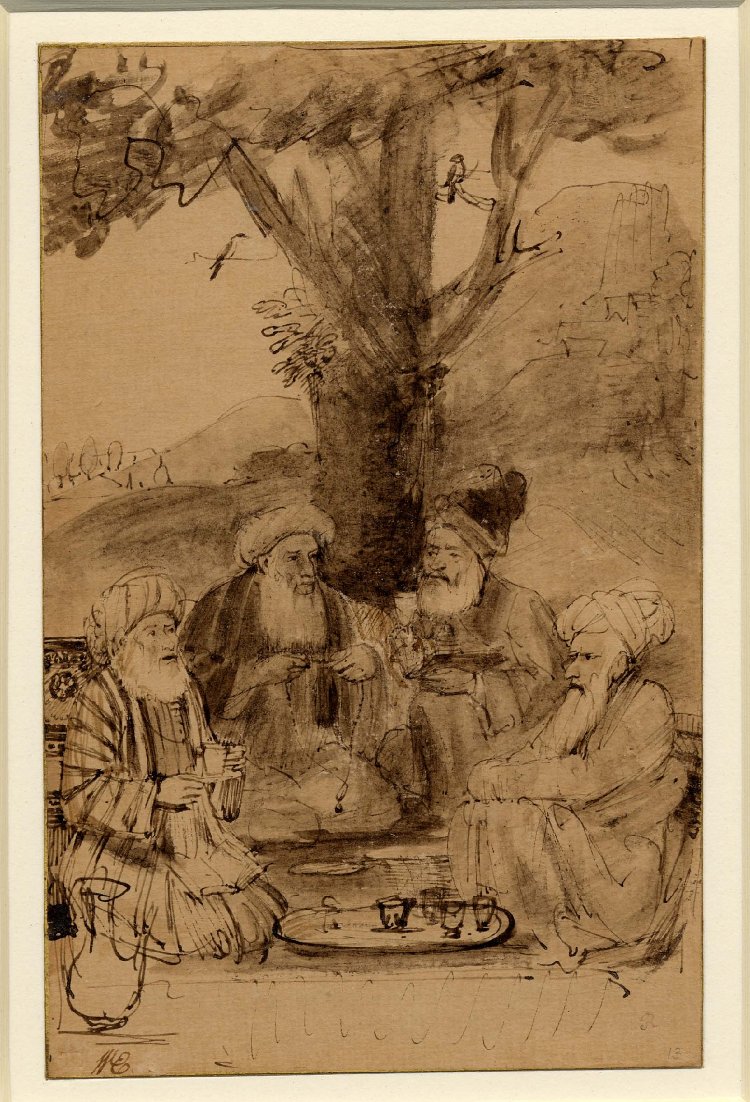
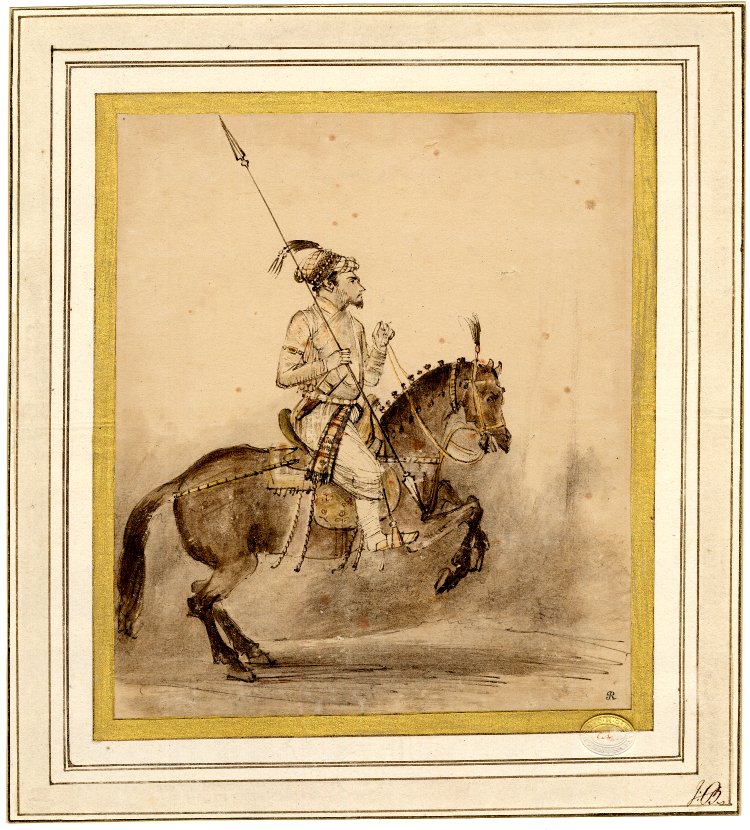
Rembrandt van Rijn – Mughal Miniatures
 |
 |
Four Orientals seated under a tree, c 1656-1661. Photo credit: British Museum
A Mughal nobleman on horseback, c 1656-1661. Photo credit: British Museum
GURU PADMA SIDDHI HUNG
 The ultimate mode of being, the ground wherein both we and Guru Rinpoche are primordially inseparable – namely, the self arising primordial wisdom, which is subject to no movement of discursive thought — is referred to as Guru. Because deluded perceptions are themselves primordially pure, the path is free from all striving and the fruit is present spontaneously like a lotus in full flower. Therefore [the path itself] is referred to as Padma, or lotus. For the fruit is not something that occurs at a later stage as a result of the practice. In the ultimate expanse, which is self arising and spontaneously present, the primordial wisdom of self awareness is clearly [and already] manifest. This is referred to as Siddhi, or accomplishment. And, although in terms of conceptual distinctions the self arising primordial wisdom may be classified as ground, path, and fruit, these three are not different in nature. This is directly perceived by self-cognizing awareness and is indicated by the syllable Hung.
White Lotus: An Explanation of the Seven-Line Prayer to Guru Padmasambhava, by Jamgon Mipham
PROFOUND, UNCONDITIONED NATURAL SPACE
Nondistraction means not being lost in subtle undercurrents of delusion or indifferent stupor; it is immaculate, unending mindfulness. Not understanding this, if one is fearful and cautious about being distracted and is bound by a repressed, constricted mind, this is an error.
Natural, ordinary mind means this present mind unstained by either faults or good qualities. This self-nature is unstained by the continuity of awareness. Not understanding this, if one grasps at the substantiality of the rigid concepts of worldly, ordinary mind, this is an error.
To be meditationless means to enter profound, unconditioned natural space, detached from meditating and non-meditating, without any contrivance or aim, stabilizing the expansive fortress of mindfulness. Not understanding this, if one remains in ordinary, careless neutrality, or is lost in meaningless indifference, this is an error.
Sunlight Speech That Dispels the Darkness of Doubt, Sublime Prayers, Praises, and Practices of the Nyingma Masters : translated by Thinley Norbu
Gandhara terracotta
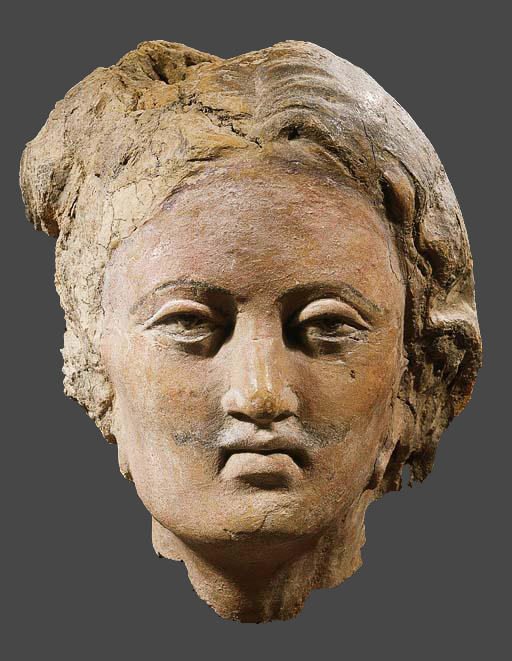
Terracotta male head : Gandhara 4th-5th century CE [ image thanks to @ambrin_hayat ]
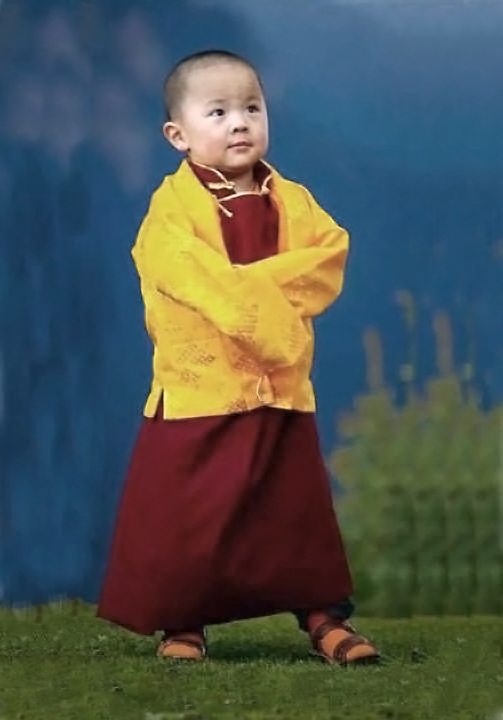
Yangsi Penor Rinpoche
[T] essence of being is originally pure and, in relation to its self-manifestation, [is free from] transitory defilements of delusion, which have been purified directly upon the basis of being. This essence of being is designated by the term “Unsurpassed Realm”. It is the basic space of phenomena, the self manifest sacred circle of essential awakening not belonging to minds [of beings in] the ten directions, and not defined by size, limits, or orientation.
The Treasury of Knowledge: Books Two, Three, and Four
Buddhism’s Journey To Tibet
by Jamgon Kongtrul Lodro Taye
translated by Ngawang Zangpo : page 541
蔣康堪祖仁波切 – Gyang Khang Khentrul Rinpoche’s Photos
Thinley Norbu
Even if we think we have found the origin of phenomena, we are only being deluded by the karmic seeds of new discoveries which are constantly ripening, becoming exhausted, and being replaced through the ripening of other karmic seeds. Yet we continue to be fascinated by trying to define substance, constantly trying to catch it, thinking that we have caught it but then losing it. We are endlessly lured by the material creations of our conceptions. Sublime beings, knowing the characteristics of each phenomenon and the nature of all phenomena, are never lured by anything. They abide in the infinite display of enlightenment’s empty appearance without trying to catch anything or being able to be caught.
White Sail
Crossing the Waves of Ocean Mind to the Serene Continent of the Triple Gems : Thinley Norbu
Chōjū-jinbutsu-giga 鳥獣人物戯画
 |
 |
 |
 |
Chōjū-jinbutsu-giga (鳥獣人物戯画, lit. “Animal-person Caricatures”), commonly shortened to Chōjū-giga (鳥獣戯画, lit. “Animal Caricatures”) is a famous set of four picture scrolls, or emakimono, belonging to Kōzan-ji temple in Kyoto, Japan. The Chōjū-giga scrolls are also referred to as Scrolls of Frolicking Animals and Scrolls of Frolicking Animals and Humans in English. Some think that Toba Sōjō created the scrolls; however, it is hard to verify this. The right-to-left reading direction of Chōjū-jinbutsu-giga is still a standard method seen in modern manga and novels in Japan. Chōjū-jinbutsu-giga is also credited as the oldest work of manga. The scrolls are now entrusted to the Kyoto National Museum and Tokyo National Museum. They date from the 12th and 13th centuries.
As opened, the first scroll illustrates anthropomorphic rabbits and monkeys bathing and getting ready for a ceremony, a monkey thief runs from animals with sticks and knocks over a frog from the lively ceremony. Further on, the rabbits and monkeys are playing and wrestling while another group of animals participate in a funeral and frog prays to Buddha as the scroll closes. [ wikipedia entry ]
Currently all four are on exhibit in Kyoto.
Links to viewing the entire scrolls :
1. http://www.chojugiga2015.jp/emaki/index.html
2. http://www.chojugiga2015.jp/emaki/index2.html
3. http://www.chojugiga2015.jp/emaki/index3.html
4. http://www.chojugiga2015.jp/emaki/index4.html
Muhammad Shah

Muhammad Shah | 1750 | Institut du Monde Arabe, Paris
image thanks to @dpanikkar