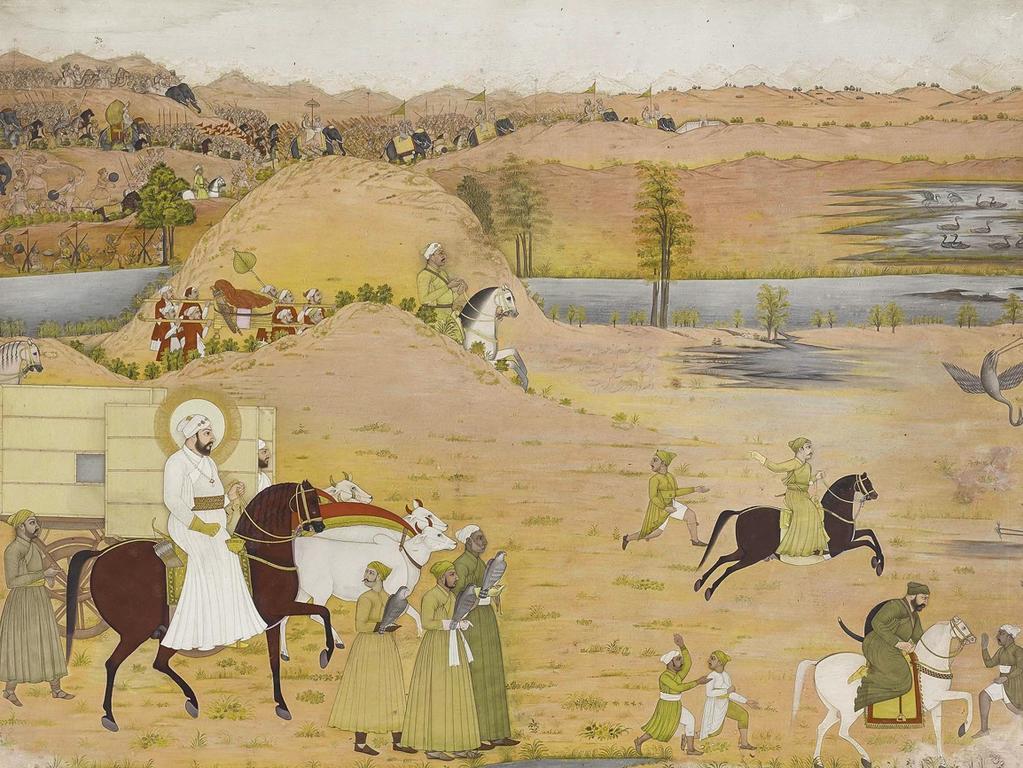
Shah Alam II Hawking | Hunhar II | National Museum of Scotland
thanks to @dpanikkar
Shah Alam II Hawking | Hunhar II | National Museum of Scotland
thanks to @dpanikkar

|
 |
left : portrait of an African courtier, possibly Malik Ambar [ PM of Ahmednagar, born Harar, Ethiopia ], Indian, Deccani, early 17th century, MFA, Boston
right : possibly Fath Khan, son of Malik Ambar [ Ahmednagar ], Indian, Deccani, 1610-1620, MFA, Boston
both images thanks to @dpanikkar
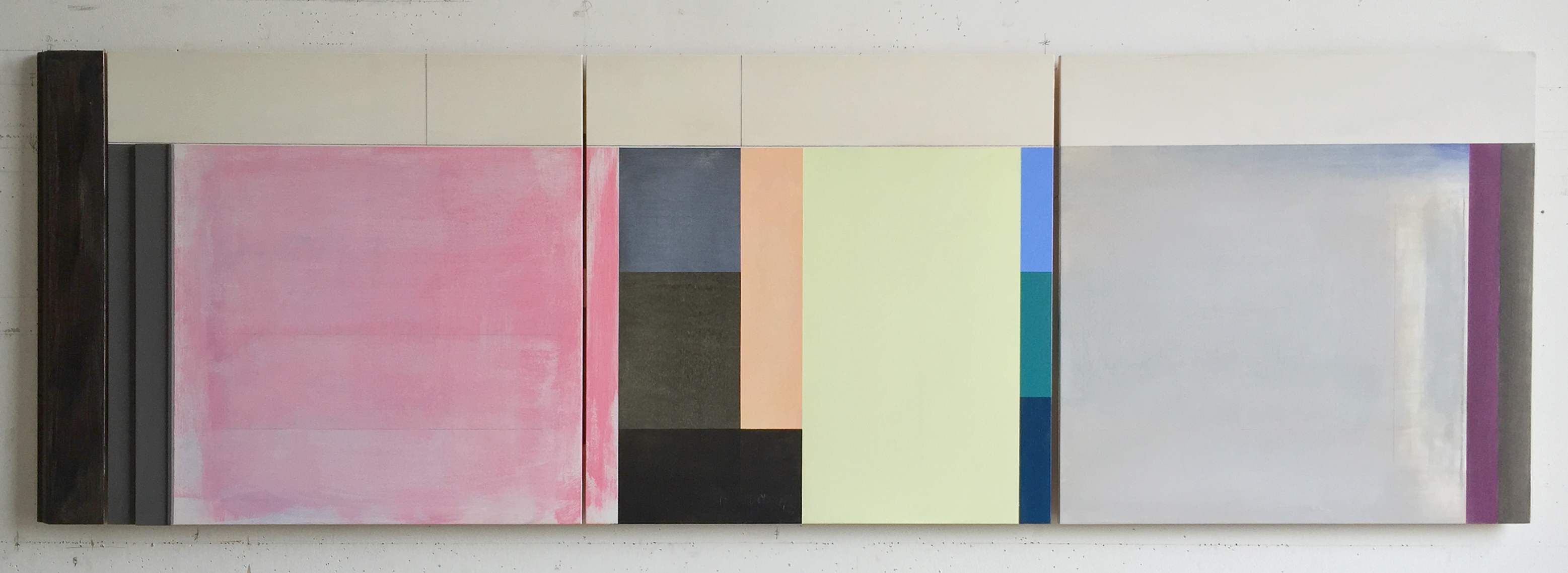
Pour nous prouver que cette belle | triptych 57 1/8 x 18 x 7/8 [ inches ] | acrylic on wood panel
 |
 |
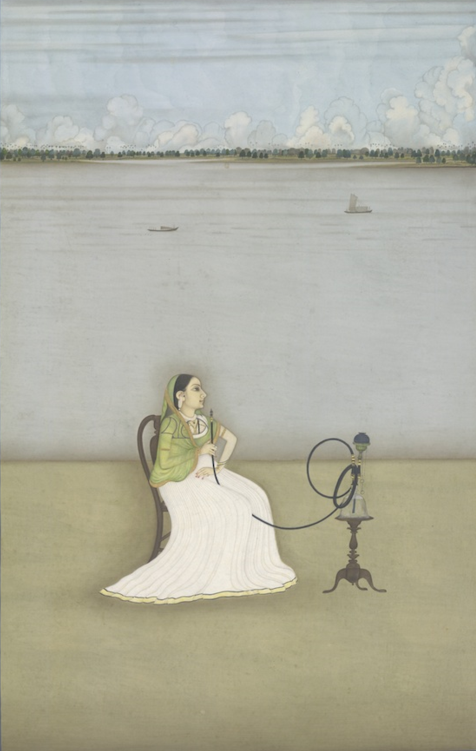
left : Mutuby, mistress of Ashraf ‘Ali Khan. Attributed to Dip Chand, Patna, 1764. British Library, Add.Or.735.
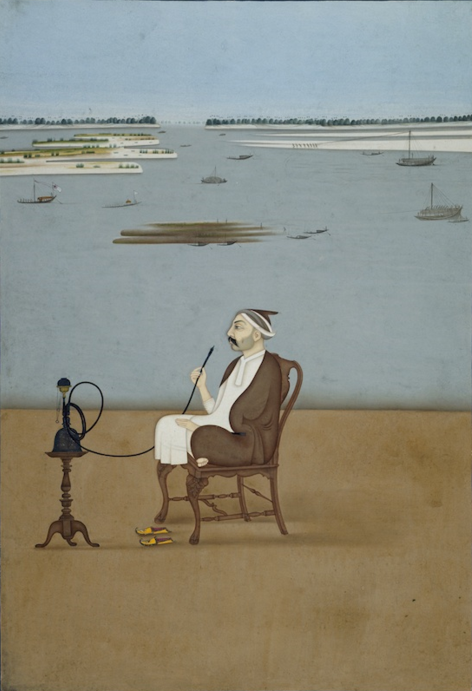
right : Ashraf ‘Ali Khan. Attributed to Dip Chand, Patna, 1764. British Library, Add.Or.736
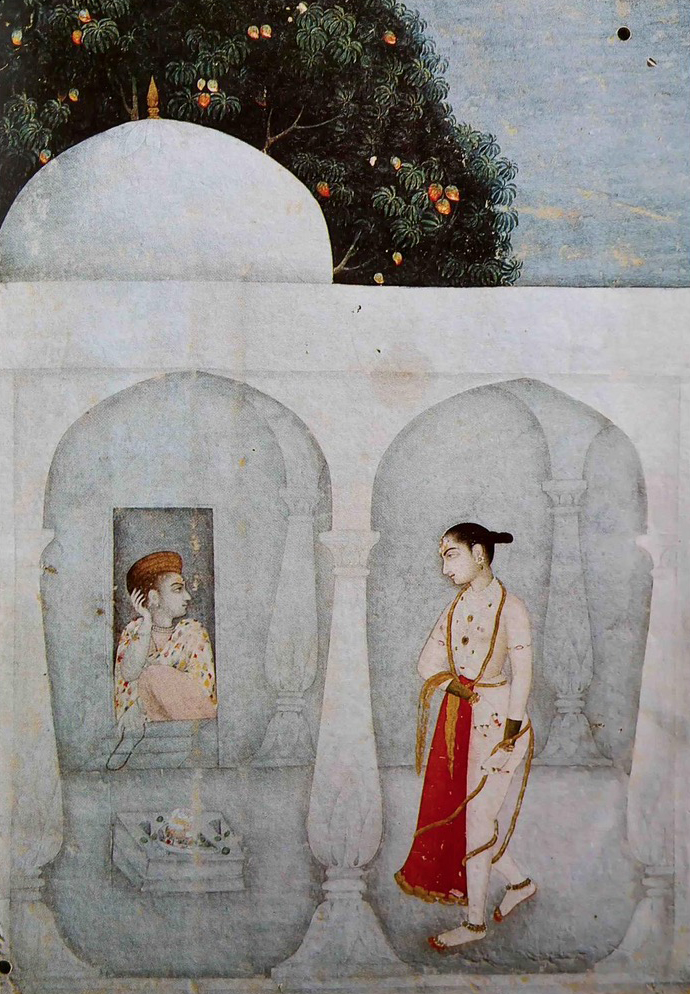
image thanks to @dpanikkar | located State Museum, Lucknow
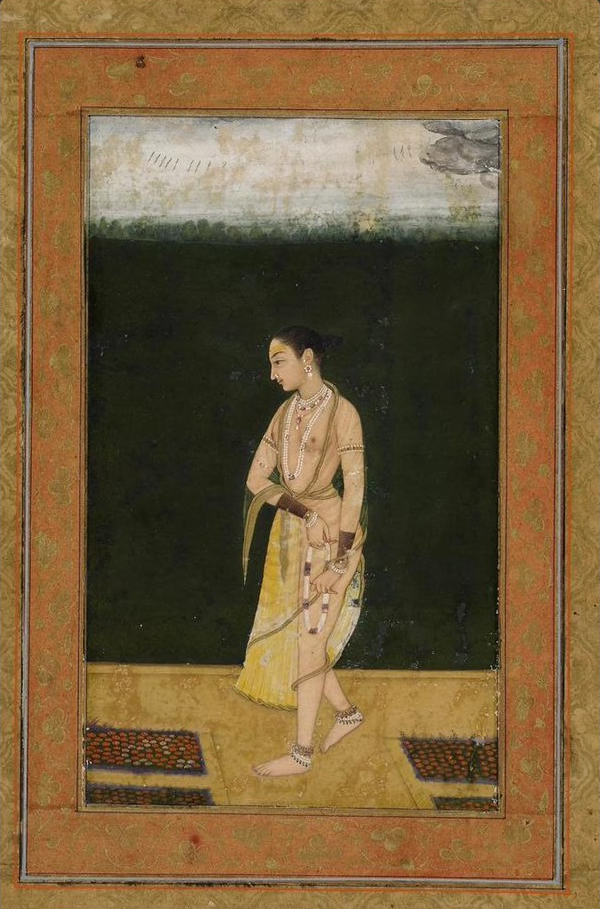 |
 |
utterly sublime | images thanks to Sanjeev khandekar @Chemburstudio mumbai

Anant Raje : Indian Institute of Forestry Management | 1984 | Bhopal India
Raje worked with Louis Kahn on IIM Ahmedabad and completed the scheme after Kahn’s death in 1974.
The key to understanding the truth of suffering is what the Buddha called the “three marks” of everything that exists. All conditioned phenomena, he said, are pervaded by these three marks: impermanence ( anitya ), dissatisfaction or suffering ( duhkha ), and insubstantiality ( anatman, “without self” ).
According to the Buddha, if we do not understand how conditioned phenomena are marked by these three aspects, then we will not be able to understand the first Noble Truth. We may do all we can in order to avoid facing the fact that everything is contingent and transient – we may try to hide ourselves from it, and we may even spin out all kinds of metaphysical theories of an unchanging, permanent, substantial reality to avoid this all-pervasive nature of ephemerality. Also, if we do not understand that conditioned phenomena are unsatisfactory, we will not think about restraining ourselves from overindulgence in sensory gratifications, which makes us lose our center and become immersed in worldly concerns, so that our life is governed by greed, craving, and attachment. All of these things disturb the mind.
If we do not understand that everything is insubstantial – anatman – then we may believe that there is some kind of enduring essence or substance in things, or in the personality, and because of this belief we generate delusion and confusion in the mind.

Srinivasa Ramanujan’s final letter to G. H. Hardy in 1920, explaining his discovery of what he called “mock theta” functions [ image : Ken Ono ].
see also Quanta magazine article on Umbral Moonshine Conjecture
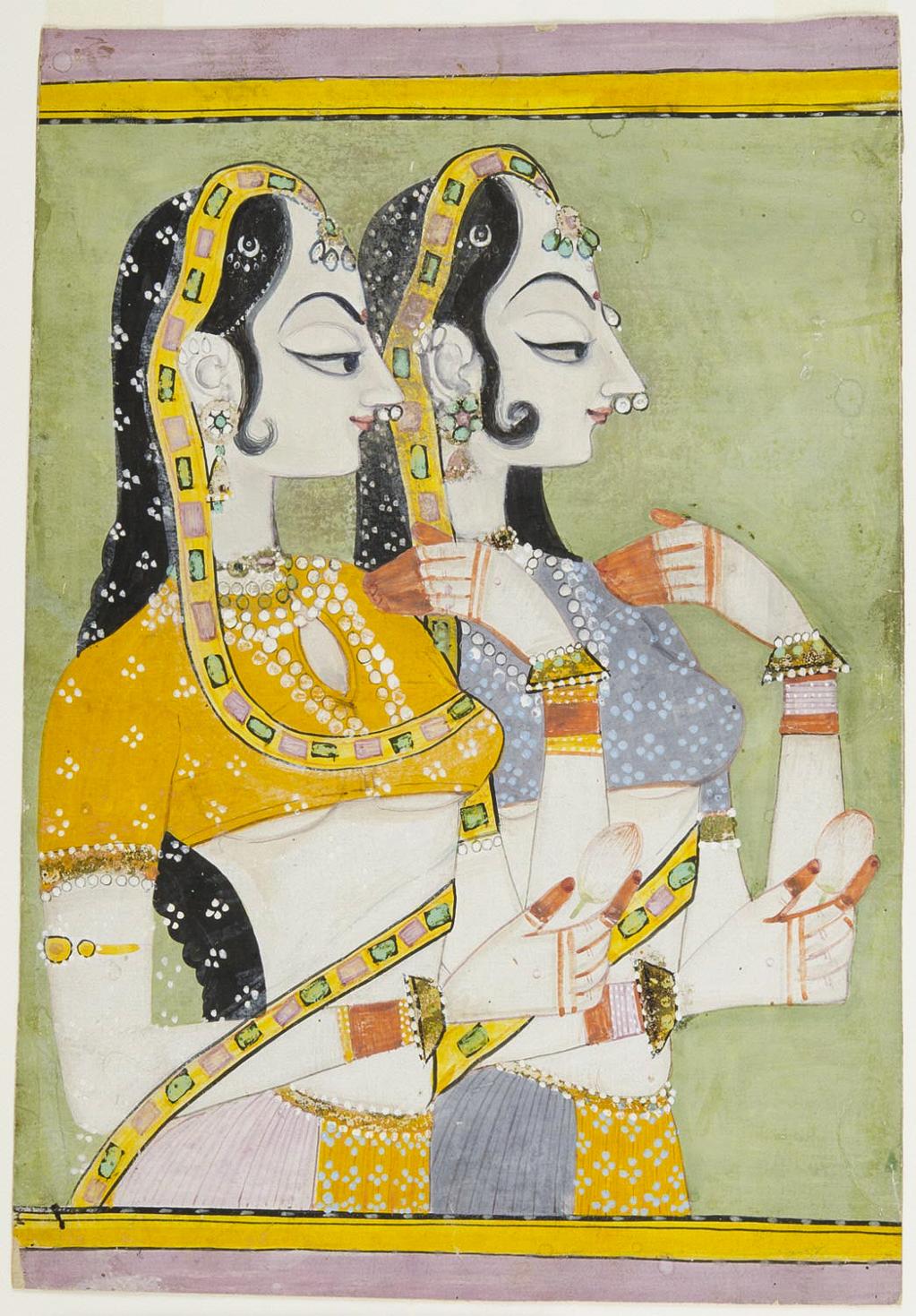
thanks to @dpanikkar
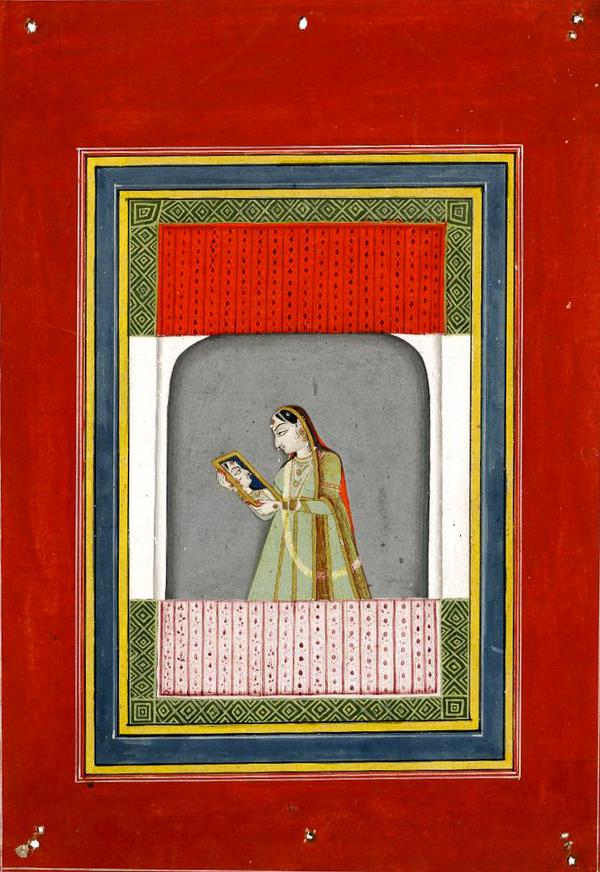
Vilaval Ragini, Ragamala series, Rajasthan | British Museum
thanks to @dpanikkar
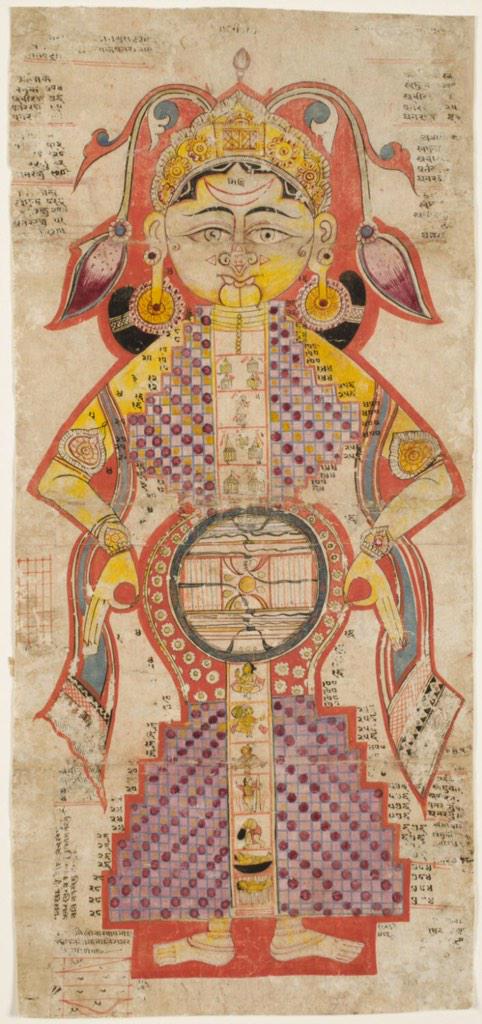
Female Lokapurusha Mandala : 1625 Gujrat
thanks to @Chemburstudio
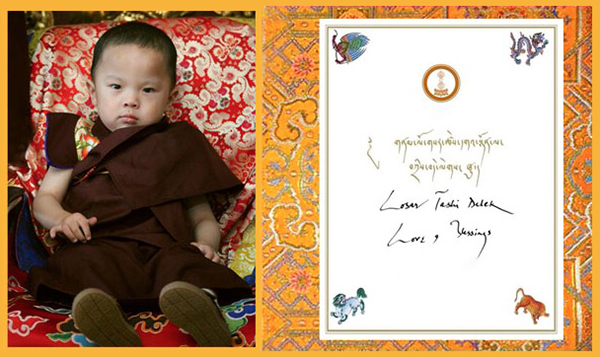
May this Losar bring a happy childhood to our Yangsi Rinpoche and may his spiritual training be successful so that he benefits as many beings as possible through his enlightened activities thereby following the footsteps of his predecessor!
1st day of the 1st month, 2142 (19 February, 2015)
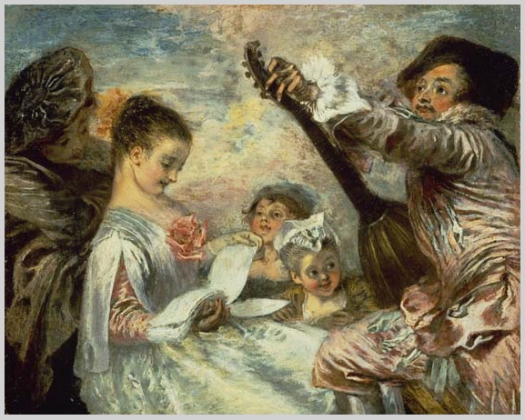
Pour nous prouver que cette belle
c. 1717 – 1718
Oil on pine panel with walnut strips
16.1 x 19.9 cm
Made up to, Object size: 18.6 x 23.7 cm
Wallace Collection, London
The verses which accompanied Surugue’s 1719 engraving of the picture explained:
To prove that this beauty
Finds the marriage knot sweet
The painter has shown her faithful
Following the music of her husband.
These children around her
Are the fruits of her tender love
Which this handsome student may well taste one day.