Category: all
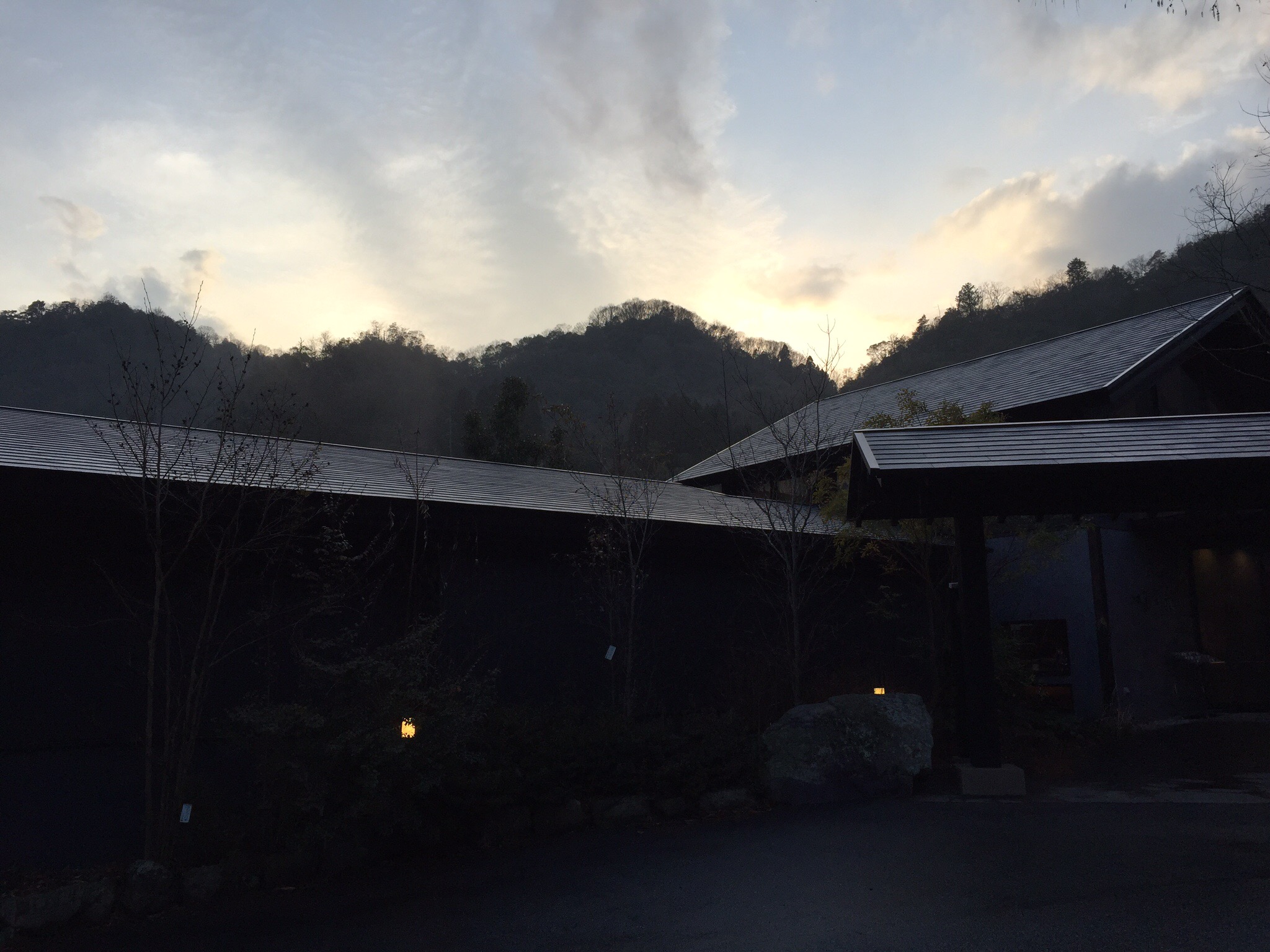
Shinto temple

Very close to our house in Osaka.
the essence of enlightenment
On the path of seeing there is (1) mindfulness whereby one does not forget the object, the truth; (2) the wisdom of perfect discernment with regard to the object; (3) diligence, delight in virtue, being assiduous in undertaking what is right and avoiding what is wrong in accordance with the path; (4) joy or mental happiness regarding the latter; (5) flexibility, in which mind and body function appropriately; (6) concentration; and (7) evenness, in which the mind enters the natural state, free from the conditions of lack of clarity and wildness. These seven are elements of the path of seeing, the essence of enlightenment. They will make one accumulate or accomplish the positive actions that help one attain nirvana.
Van Gogh in Brussels
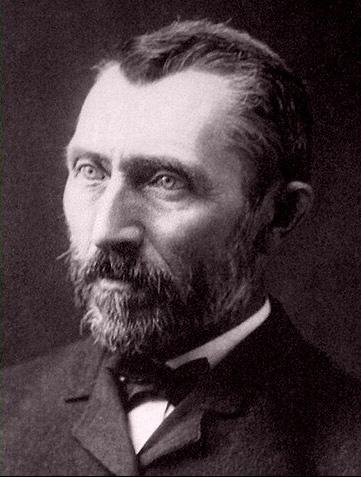
Photograph of Vincent Van Gogh in Brussels by Victor Morin, 1886
I find this quite remarkable….
Picasso
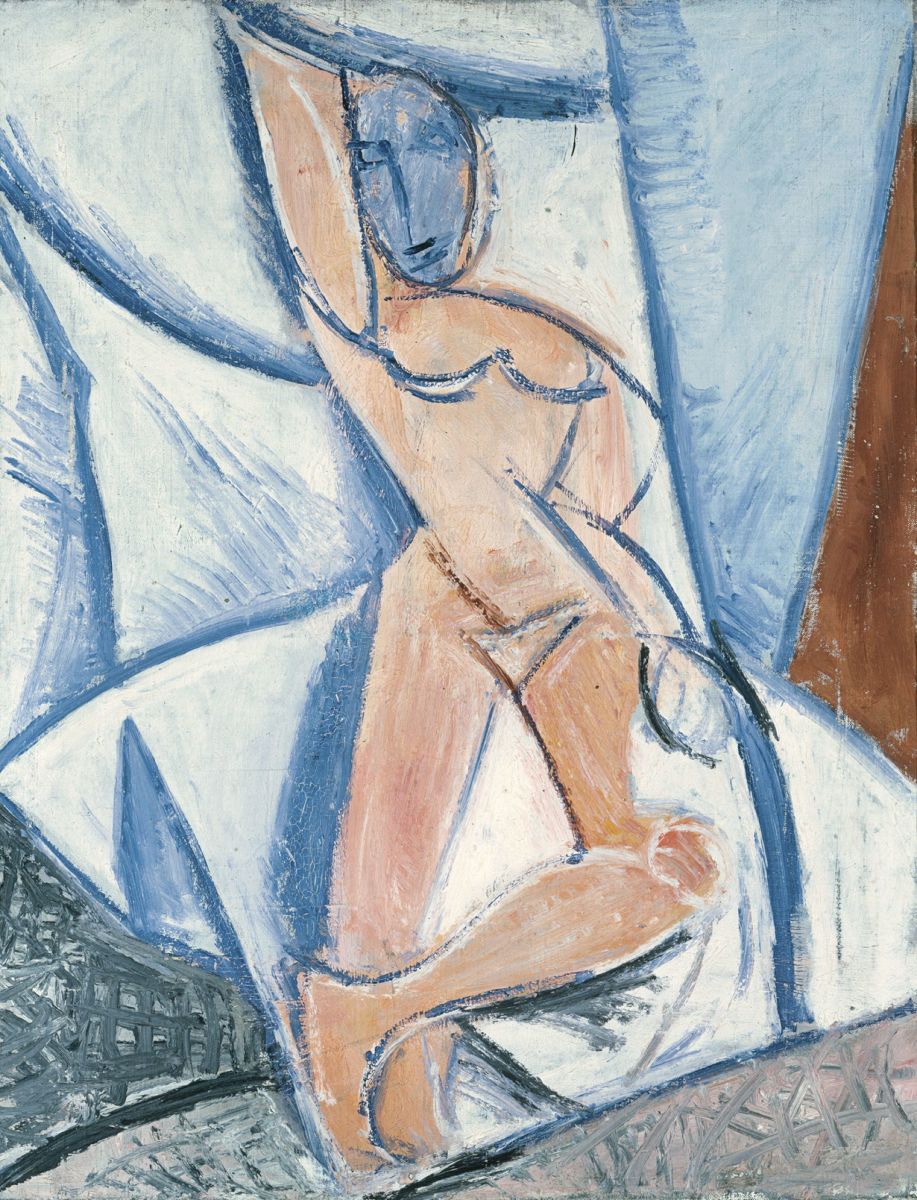
Picasso : “Nude with Raised Arm and Drapery” (1907)
Durga
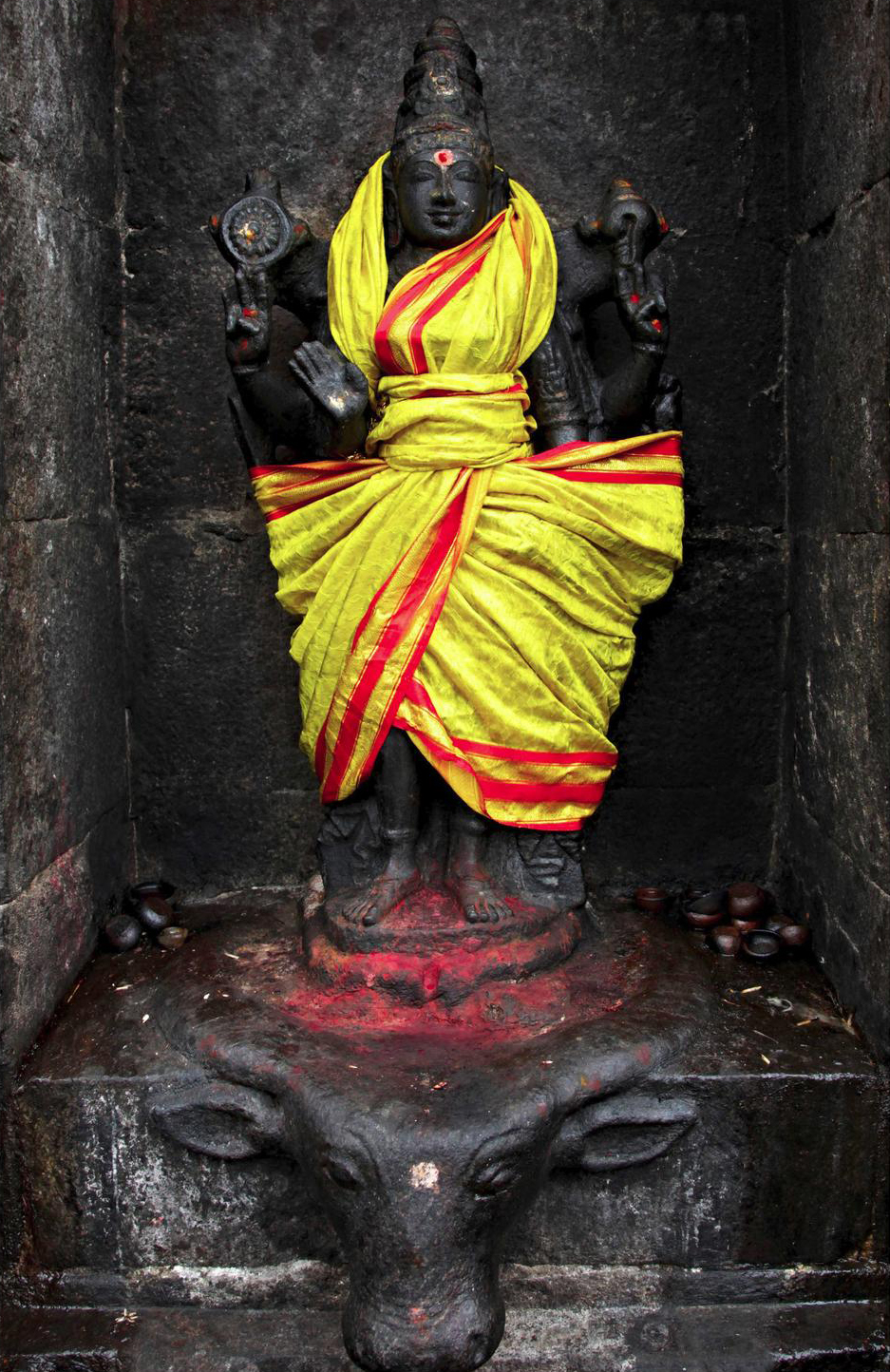
Durga as mahish-asura-mardini – Airavateswarar temple – Darasuram
thanks to @dpanikkar
from wikipedia :
Durga (Hindustani pronunciation: [ˈd̪ʊrɡaː]; Sanskrit: दुर्गा), meaning “the inaccessible”[1] or “the invincible”, is the most popular incarnation of Devi and one of the main forms of the Goddess Shakti in the Hindu pantheon. Durga is the original manifested form of Mother Parvati or Adi-Parashakti. Durga is Adi-Parashakti herself. The Devi Gita, declares her to be the greatest Goddess. Thus, she is considered the supreme goddess and primary deity in Shaktism, occupying a place similar to Lord Krishna in Vaishnavism. According to Skanda Purana, the goddess Parvati accounted the name “Durga” after she killed the demon Durgamaasura. Goddess Parvati is considered to be the complete incarnation of Adi Parashakti or Goddess Durga, with all other goddesses being her incarnations or manifestations. Adi Parashakti or Mahadevi, the supreme power, is called Durga Shakti as per Devi-Mahatmya. Adi Parashakti or Devi Durga is a Hindu concept of the Ultimate Shakti or Mahashakti, the ultimate power inherent in all Creation. This is especially prevalent in the Shakta denomination within Hinduism, which worships the Goddess Devi in all her manifestations. She is Goddess Lakshmi and Goddess Saraswati in her mild form; Goddess Kali and Goddess Chandi in her wrathful form. Durga is also called Padmanabha-Sahodari and Narayani, the sister of Lord Vishnu. According to Shaivism and Shaktism She is supreme, but to bring back lord Shiva in Sansar, she was reborn in human form (Sati and Parvati) to marry Shiva. Durga gave birth to his first child Kartikeya.
ARADHANA HEGDE Raag Bageshri
model for Radha
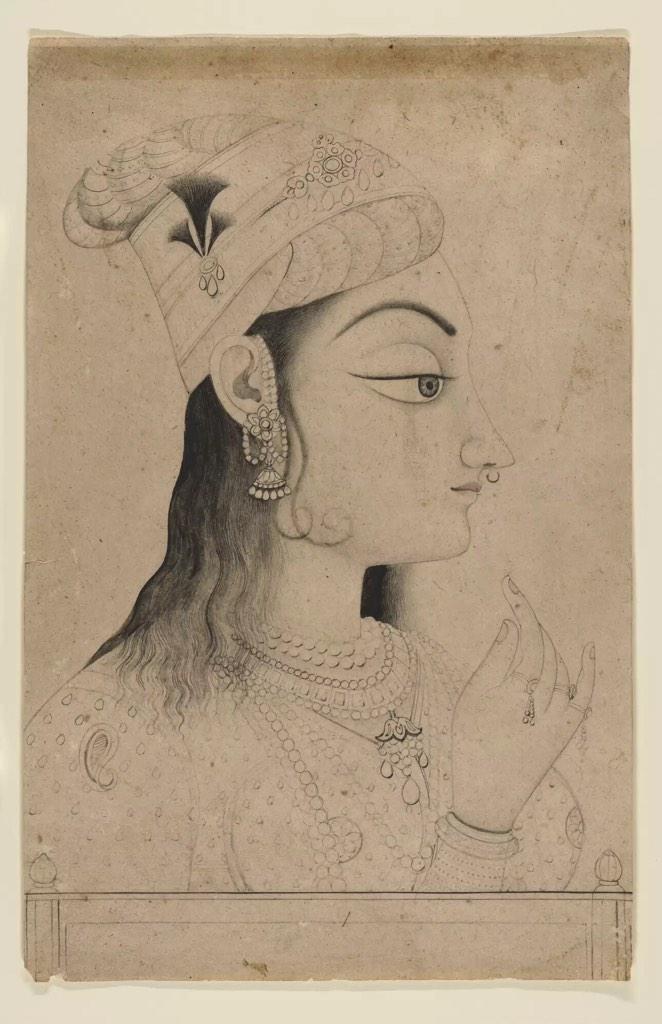
Kishangarh,1710,woman model for Radha
thanks to @Chemburstudio
portraits
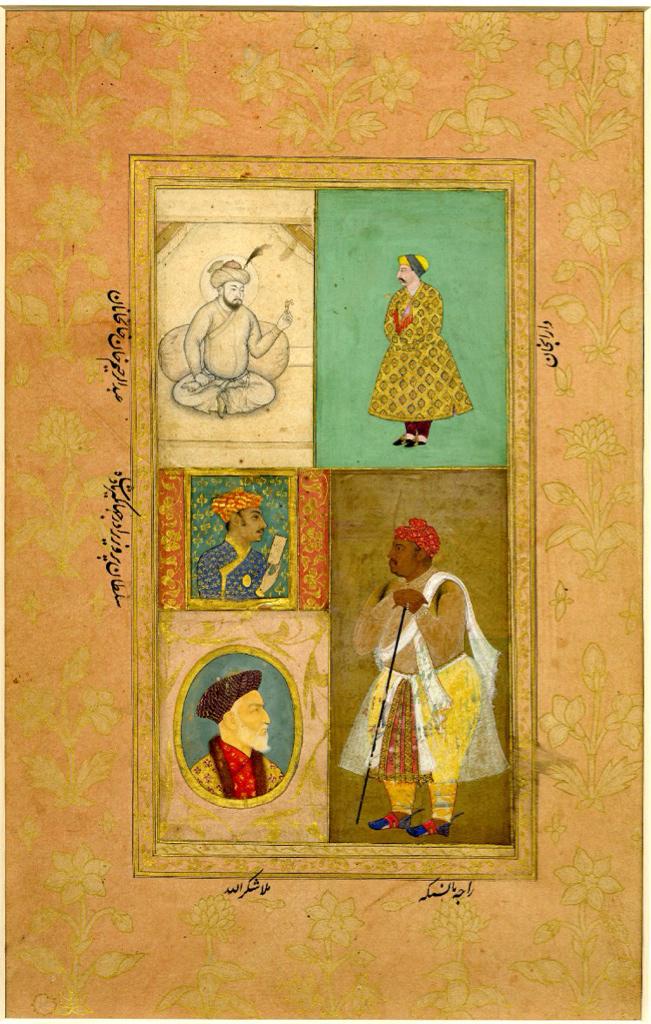
Portraits Bábur,Dáráb Khan,PrincParvíz,Mullá Shukrulláh,Raja Man Singh
thanks to @VaishaiNarkar
Oscar Wilde
There are two ways of disliking art. One is to dislike it. The other is to like it rationally.
Oscar Wilde
physics late 2014
Recent interviews with 5 physicists that give an undoubtedly incomplete [ but terrific nonetheless ] snapshot of where physics is late 2014.
 |
 |
 |
 |
 |
Picasso
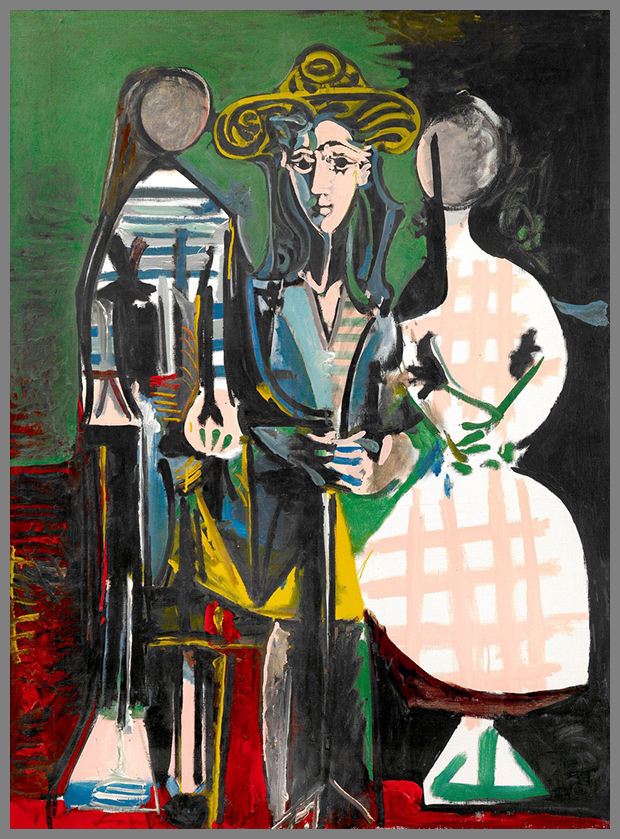
Picasso : Jacqueline with Paloma and Catherine [ 1960 ]
grasping the essence

Doctor Lloyd Bannerman [ 1915 – 2014 ]. He was the first to teach me what it meant to “grasp the essence” or what is known in the Japanese Zen tradition as Kenshō [ (見性) Ken meaning “seeing” and shō meaning “nature or essence”].
2014-11-21 madawaska

exterior / interior insulating / electrical rough in more or less done for a new studio [ this is the rear view ]
Gulshan-i-‘Ishq
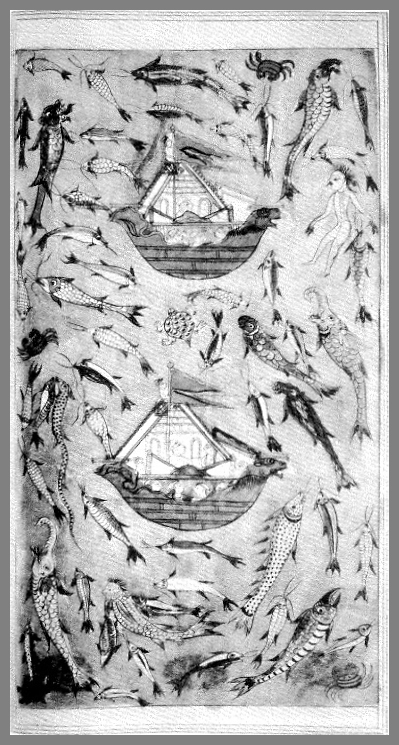
A scene depicting the hero Manohar in a boat from the Gulshan-I-‘ishq [ “The Rose Garden of Love”, a mathnawī in Deccani verse by Nuṣratī written in 1672 ]
[ illustration Indian 1815 ]
” The palace of the princess, Madmalati, and her shabistān ( chamber ) where the fairies carry Manohar are equally enchanting, while the beauty of the princess merits a detailed description, an exercise in sarāpā nigārī and nakh sikh. Thus her nose is a champā bud, her tongue a gulnār petal; her teeth are pomegranate seeds; her mouth a wine-cup; her cheeks gold-sprinkled pages; her chin rounded like a Samarqand apple; while, above the dawn-bright forehead, the gleam of pearls lining the hair parting is an unfathomed mystery. The princess’s arms are likened to lotus stems, her fingers to a cluster of sovan bananas, and her fingernails to the end of the lady-bird, while, rounding off this sarāpā, her plaited hair is compared to the Ganges river; her rumāulī ( the line of down on the stomach ) to the Godavari; her thighs are said to be banana stems; her stature like the sugarcane; her walk as graceful as an elephant’s. ”
from : Scent in the Islamic Garden : A Study of Literary Sources in Persian and Urdu [ Ali Akbar Husain ]