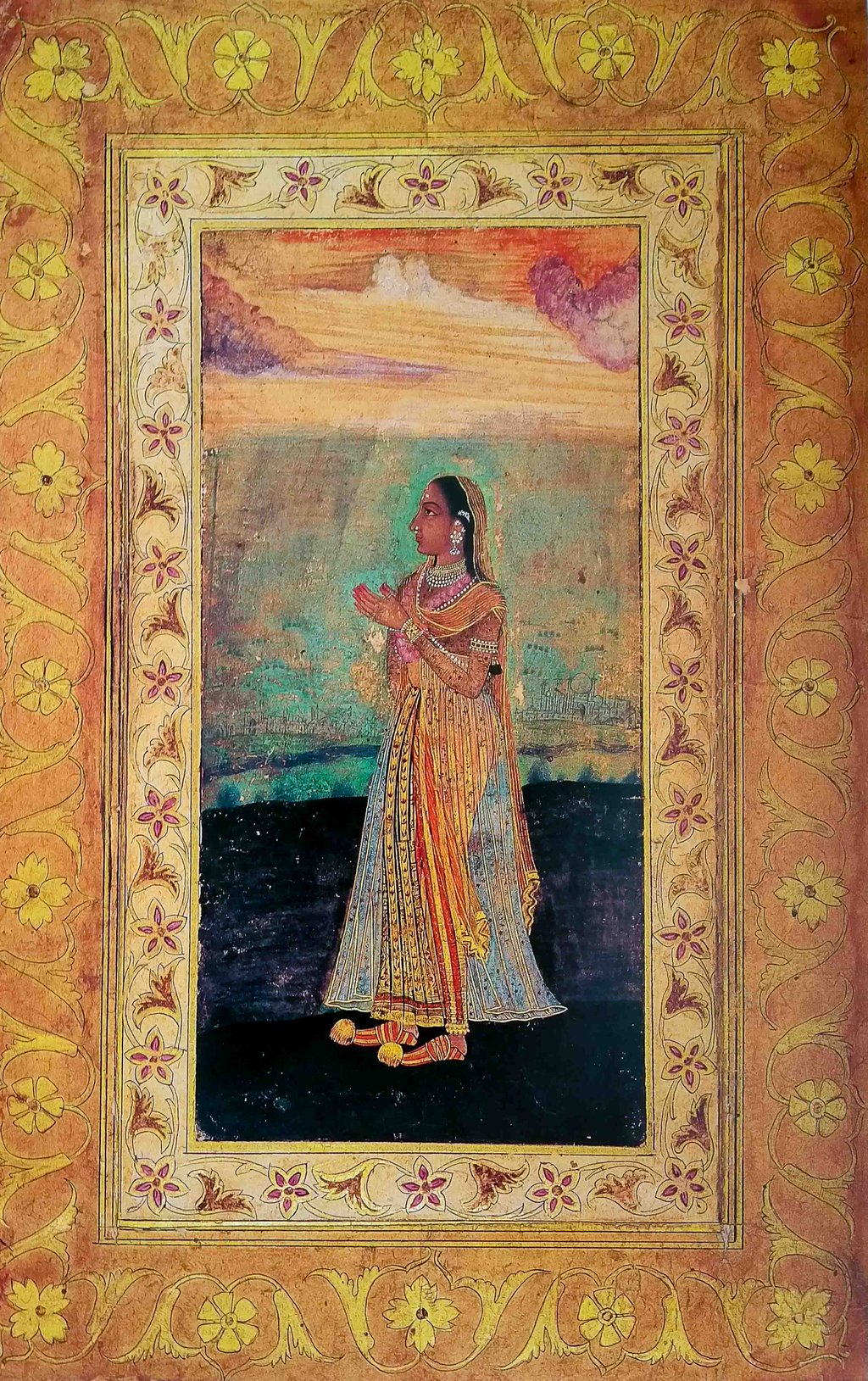
Mughal | 1660 | National Museum, Delhi
image thanks to @dpanikkar
Mughal | 1660 | National Museum, Delhi
image thanks to @dpanikkar
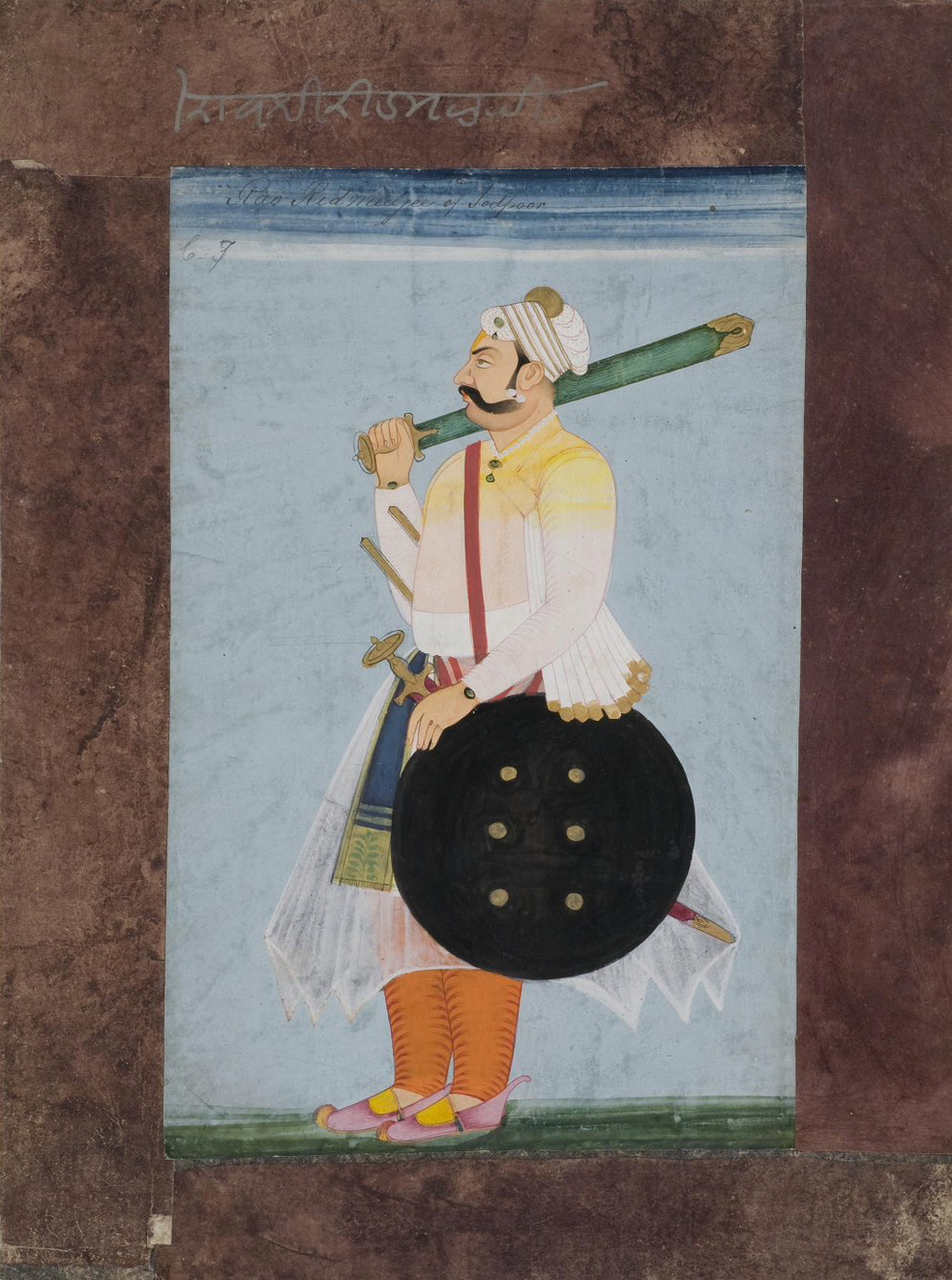
Portrait of the Rathor chief Ridmal c.1810-1820
image thanks to The Royal Asiatic Society @RAS_Soc
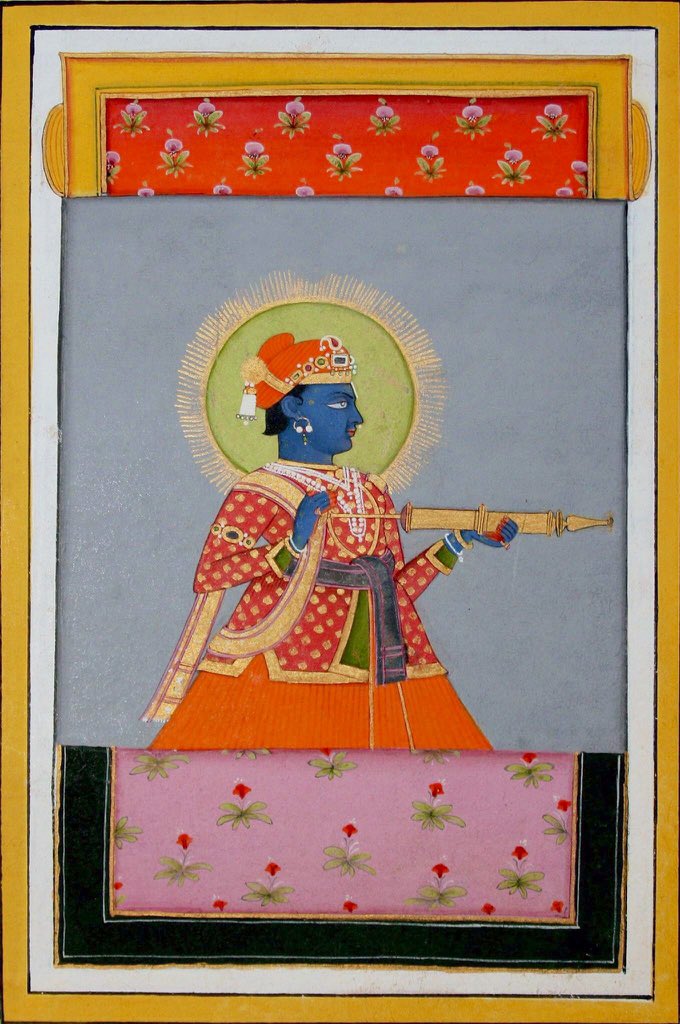
Krishna with Holi water spray | Bikaner – in the Jaipur tradition, circa 1800 | Goauche and gold on wasli – 14.8 x 10.6 cm
Bikaner royal collection | Nazar painting
image thanks to Sanjeev khandekar [ @Chemburstudio ]
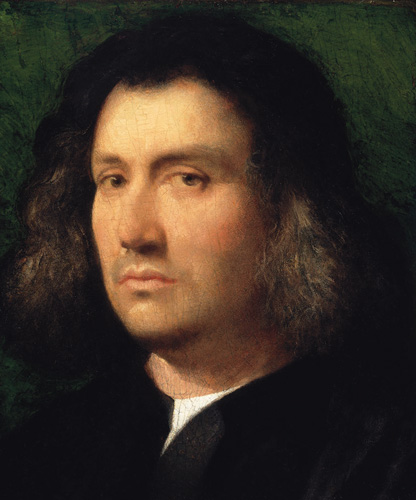
Giorgione (c.1506) | Portrait of a Man | San Diego Museum
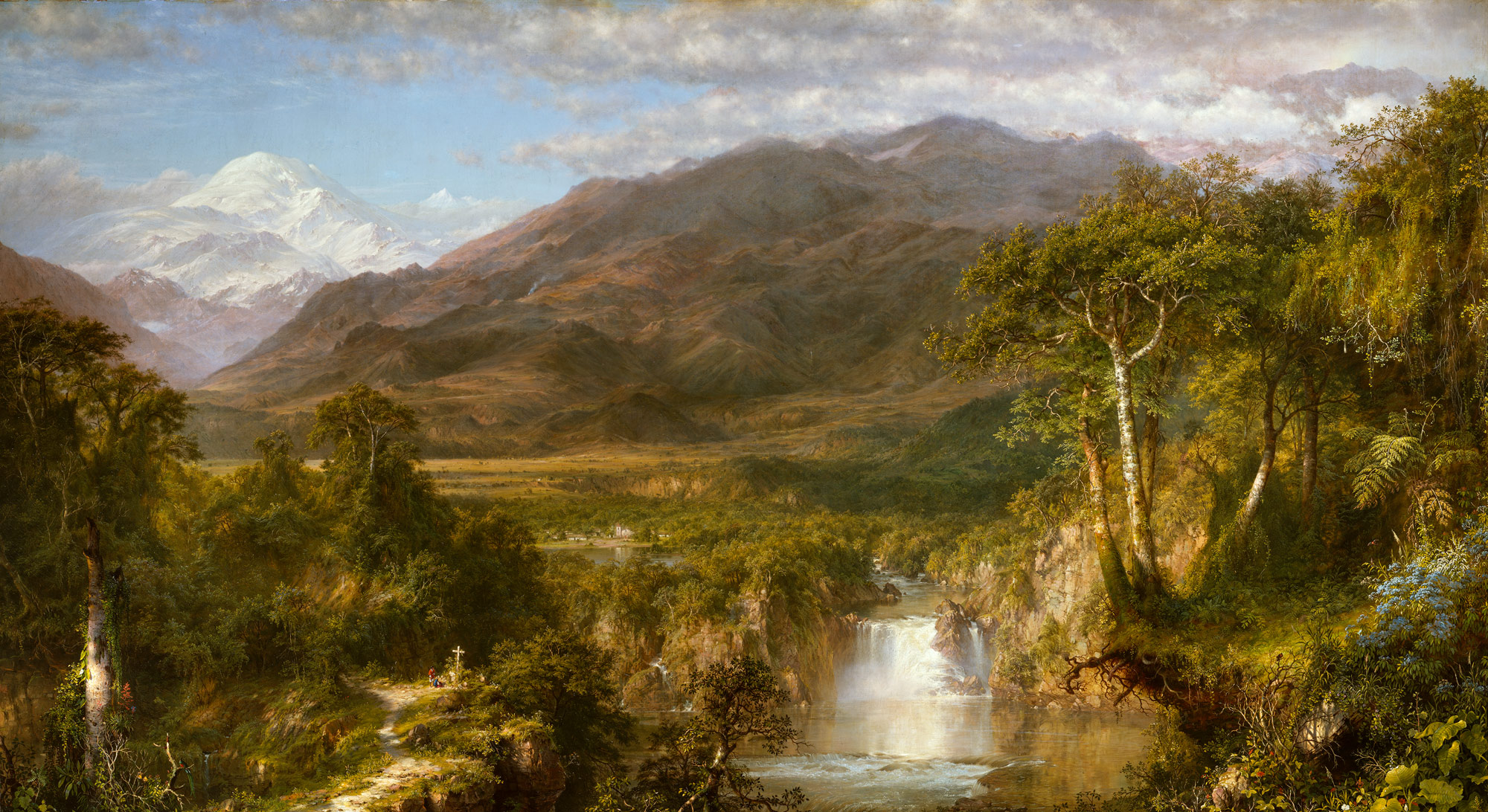
Frederic Edwin Church [ 1826–1900 ]
Heart of the Andes 1859
66 1/8 x 119 1/4 in [ 168 x 302.9 cm ] MMA NYC

Frederic Edwin Church [ 1826–1900 ]
The Aegean Sea ca. 1877
54 x 63 1/4 in [ 137.2 x 160.7 cm ] MMA NYC

Womb Realm (garbhakosa-dhatu or taizōkai) mandala. Shingon tantric buddhist school, Heian period (794-1185), Tō-ji, Kyōto, Japan. National Treasure.
The center square represents the young stage of Vairocana. He is surrounded by eight Buddhas and bodhisattvas (clockwise from top: Ratnasambhava, Samantabhadra, Saṅkusumitarāja, Manjushri, Amitābha, Avalokiteśvara, Amoghasiddhi and Maitreya)
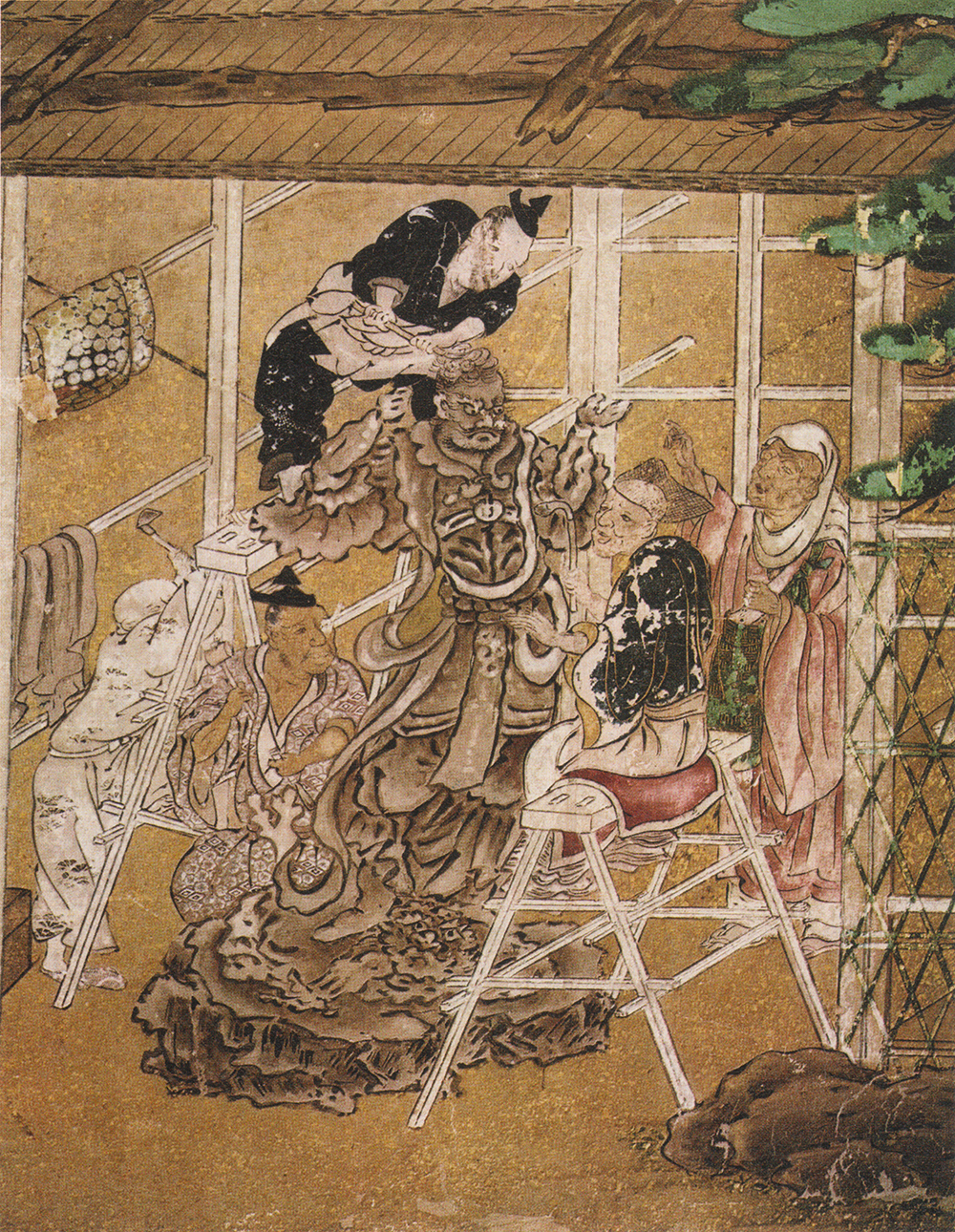
Kanō Yoshinobu | 1552-1640
Buddhist Sculpture Workshop, first half of 17th century
Detail of one of twenty-four hanging scrolls mounted on folding screens, ink and colors on paper, h 58 cm.
Kitain, Saitama
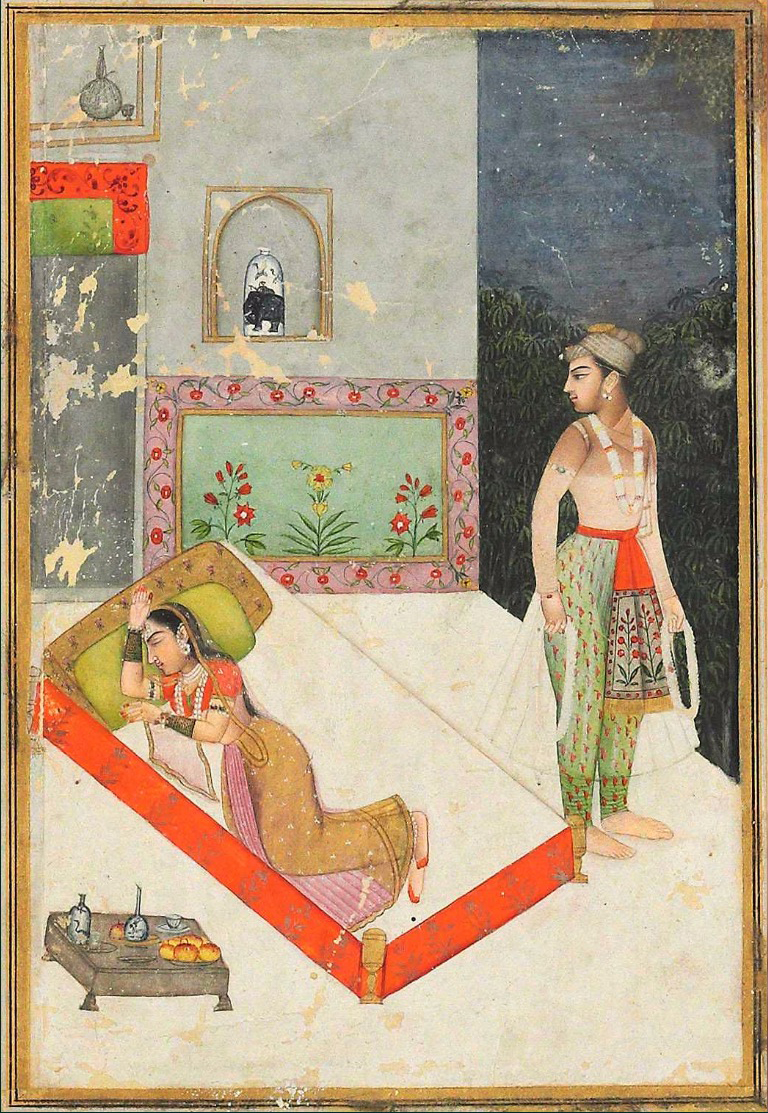
Lalita ragini | Rajput late 18th C. India
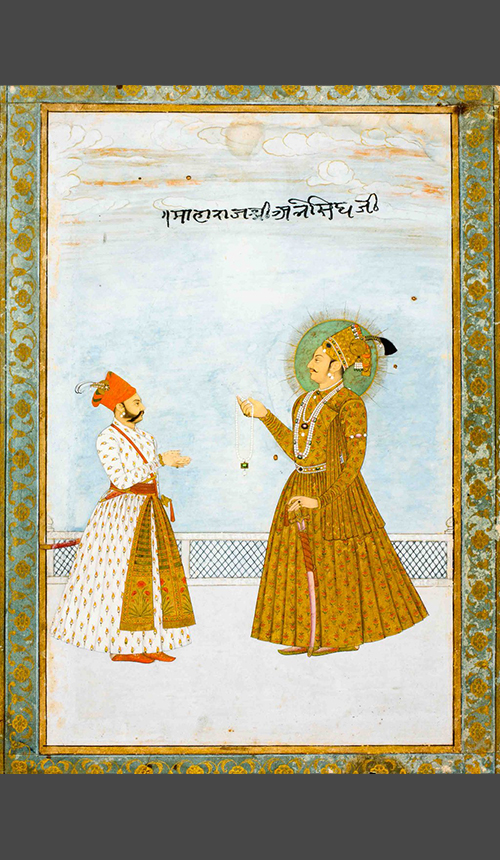
[ my reference Mughal drawings 3-4 ] |
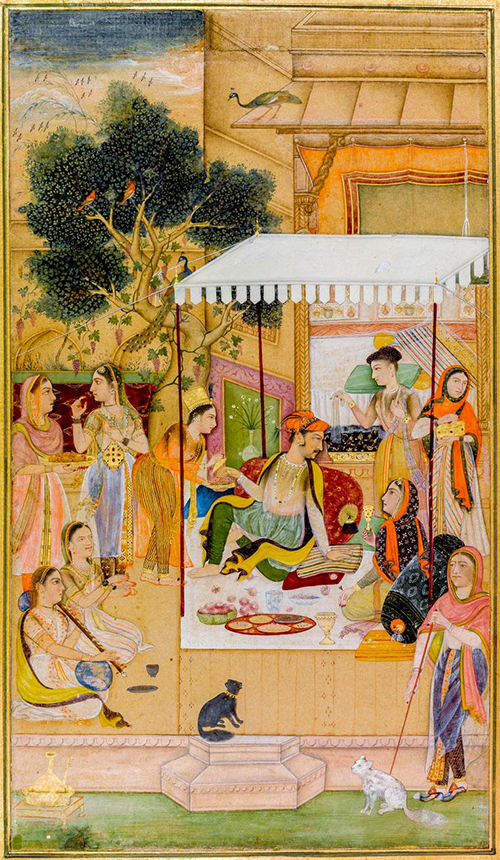
[ my reference Mughal drawings 5-6 ] |
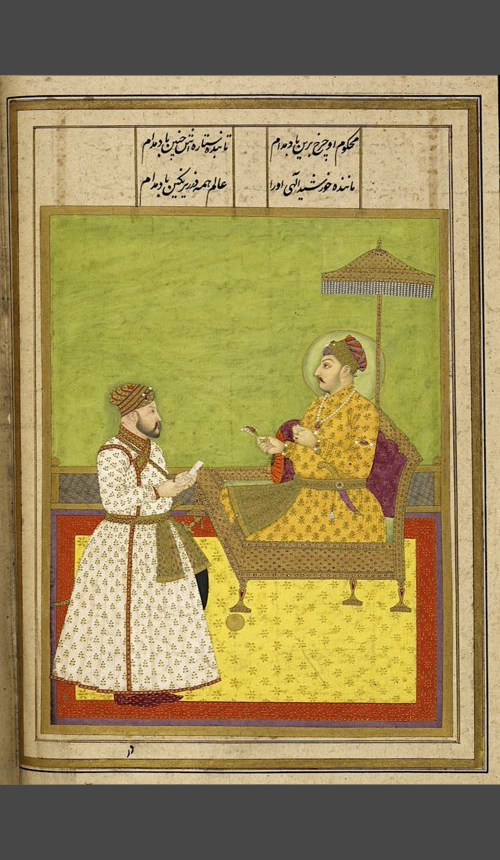 [ my reference Mughal drawings 7-8 ] [ my reference Mughal drawings 7-8 ] |
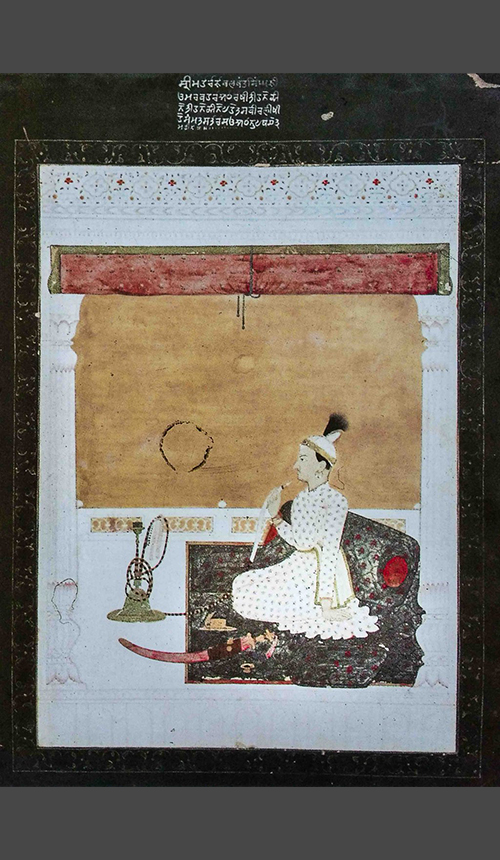 [ my reference Mughal drawings 9-10 ] [ my reference Mughal drawings 9-10 ] |
Thanu Padmanabhan, of the Inter-University Centre for Astronomy and Astrophysics in Pune, India : very nice – a reformulation of the geometry of GR space time using thermodynamics.
via George Musser
George Musser’s book Spooky Action at a Distance is both erudite and a highly interesting and compelling historical birds eye view of non-locality.
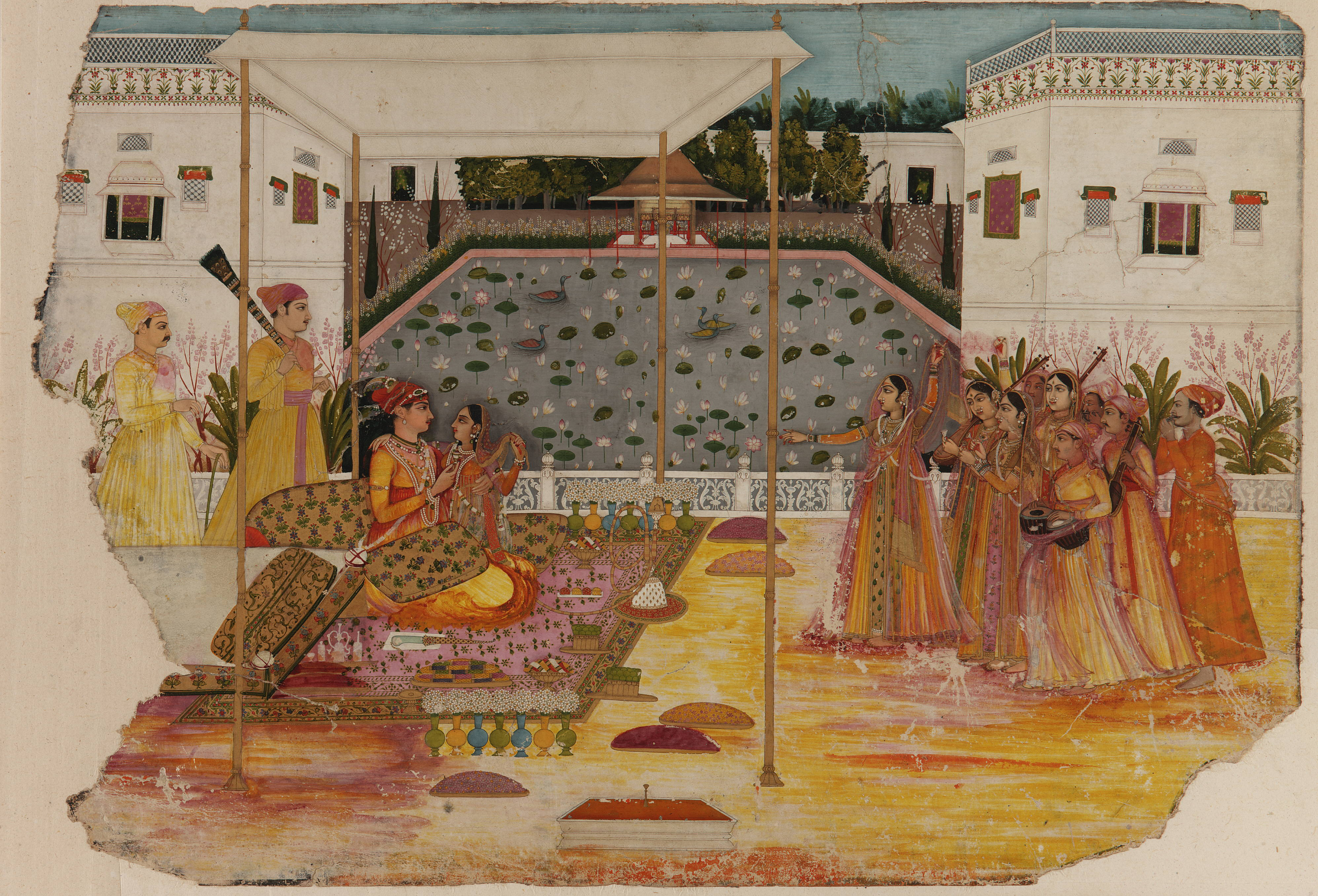
18th century Mughal School India | West Bengal, Murshidabad
Color and gold on paper 28.5 x 40.5 cm
Freer Gallery of Art | accession number F1907.270
link
[Ancient Greek] instruments are known from descriptions, paintings and archaeological remains, which allow us to establish the timbres and range of pitches they produced.
And now, new revelations about ancient Greek music have emerged from a few dozen ancient documents inscribed with a vocal notation devised around 450 BC, consisting of alphabetic letters and signs placed above the vowels of the Greek words.
The Greeks had worked out the mathematical ratios of musical intervals – an octave is 2:1, a fifth 3:2, a fourth 4:3, and so on.
The notation gives an accurate indication of relative pitch.
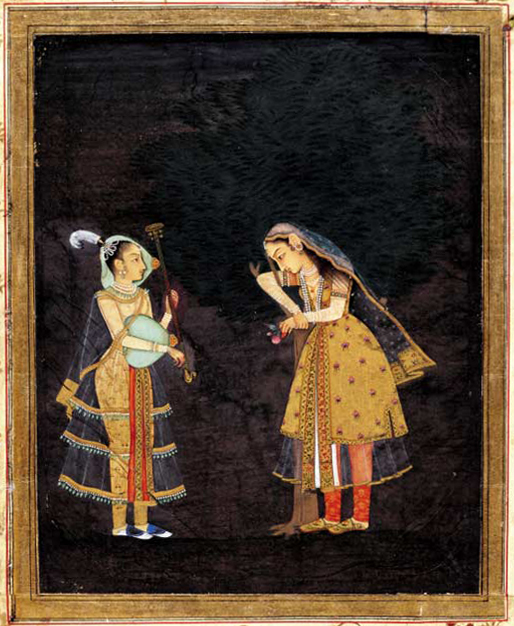
Lady listening to music, played by a woman on the rudra veena. Deccan, India 1680-1700