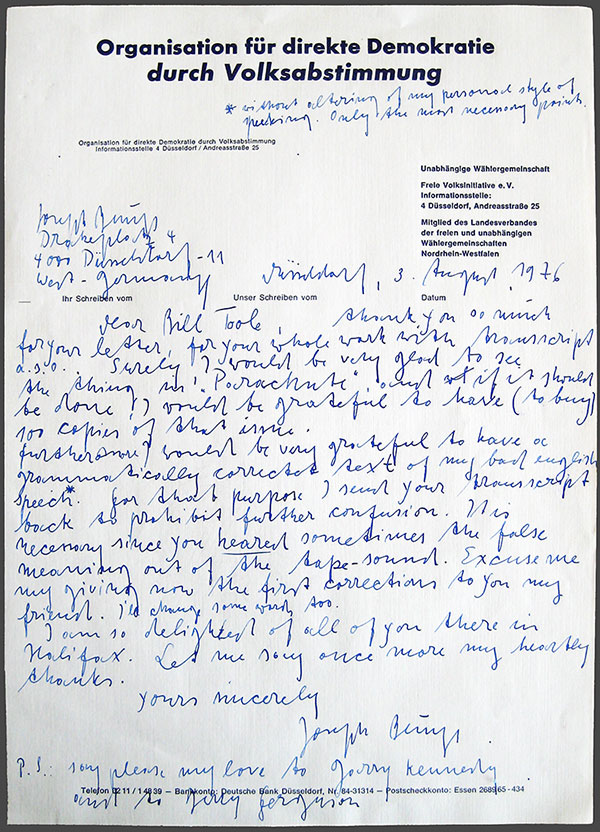
letter from Joseph Beuys – 1976
letter from Joseph Beuys – 1976
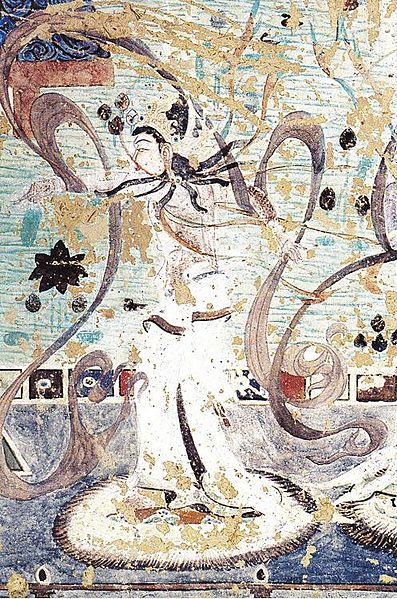
Dancer in mural from Mogao cave 220. Early Tang Dyansty.
The Mogao Caves or Mogao Grottoes (Chinese: 莫高窟; pinyin: Mògāo kū), also known as the Caves of the Thousand Buddhas (Chinese: 千佛洞; pinyin: qiān fó dòng), form a system of 492 temples 25 km (16 mi) southeast of the center of Dunhuang, an oasis strategically located at a religious and cultural crossroads on the Silk Road, in Gansu province, China.
 Southern Cambodia pre-Angkor period mid-7th century sandstone.
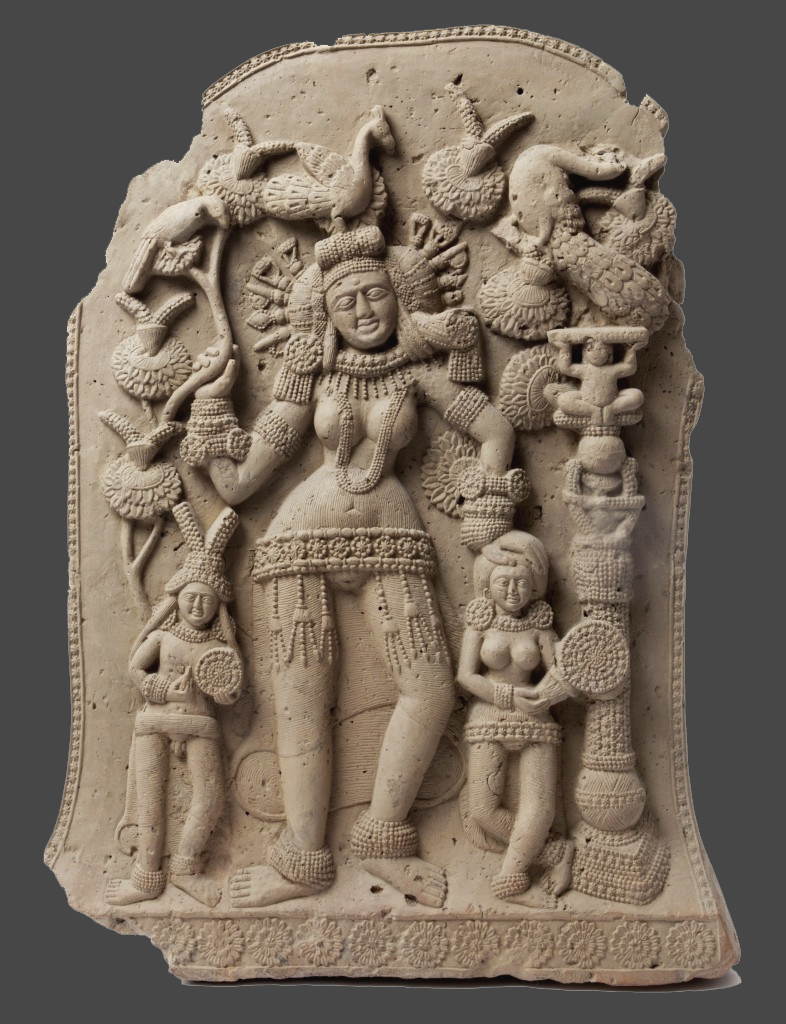
Terracotta plaque from Chandraketugarh with Yakshi figure.
Chandraketugarh is an archaeological site located beside the Bidyadhari river, about 35 km north-east of Kolkata, India, in the district of North 24 parganas, near the township of Berachampa and the Haroa Road railhead.
Years of excavation have revealed relics of several historical periods, although the chronological classification of the relics remains incomplete. Finds include Northern Black Polished Ware (NBPW) relics, later wares dated from about 400 BC to 100 BC and approximately contemporary with the Maurya period, as well as from the more recent Kushanas and Gupta periods. According to some historians, the Chandraketugarh site and surrounding area could be the place known to ancient Greek and Roman writers as ‘Gangaridai’. [ wikipedia entry ]
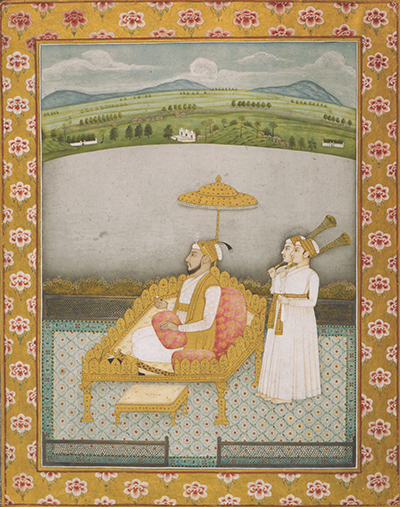
Style of Dip Chand
Murshidabad
ca. 1764
24.2 x 19 cm
British Library
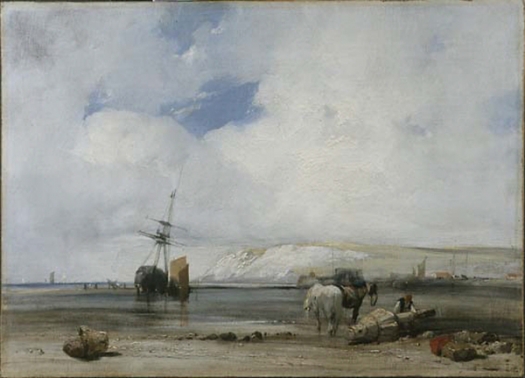
Richard Parkes Bonington (1802 – 1828)
On the Coast of Picardy
1826
36.8 x 50.7 cm
Wallace Collection London
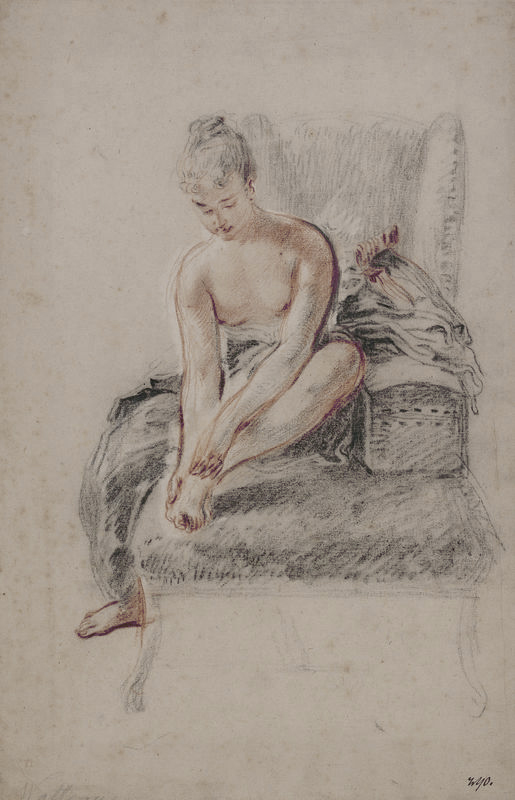
Woman sitting on a daybed holding her left foot with both hands
Trois crayons 33.9 x 22.1 cm
London, British Museum
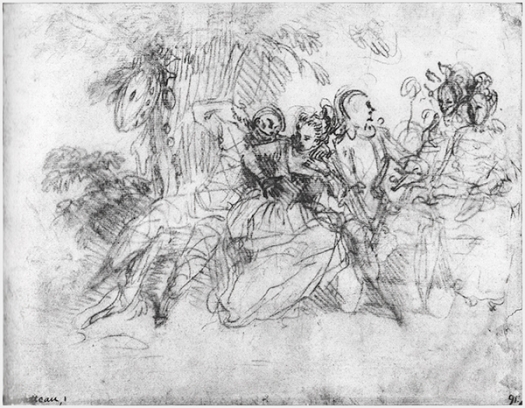
Five actors sitting under a tree
Counterproof in red chalk 16.3 x 21.7 cm
Stockholm, Nationalmuseum
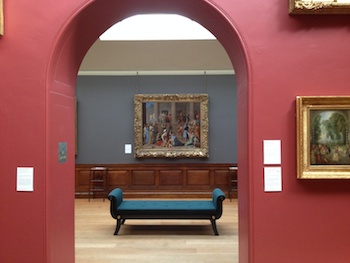
Poussin [ The Triumph of David c. 1628-1631 ] | Watteau [ Les Plaisirs du Bal c. 1716-1717 ]
Dulwich Gallery
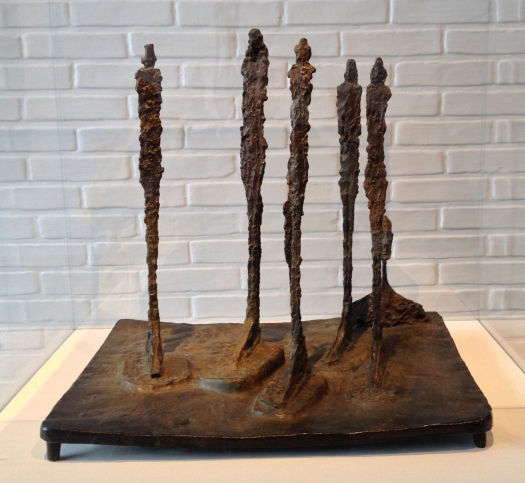
Alberto Giacometti : La Foret 1950 / bronze
Louisiana Museum Denmark
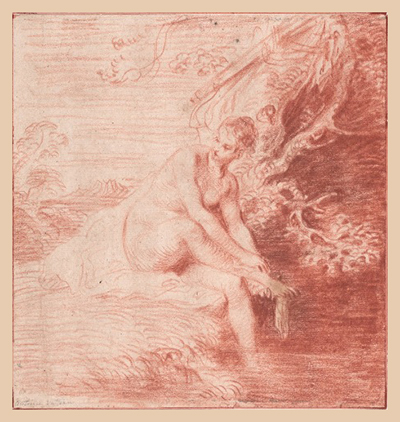
Antoine Watteau
Diana Bathing, c. 1715-1716
Albertina, Vienna
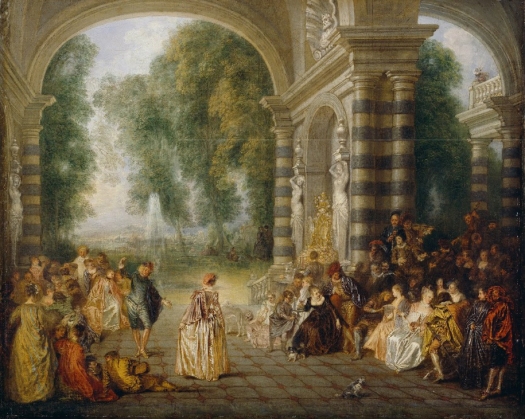
Antoine Watteau : Les Plaisirs du Bal
c. 1715-17
w652 x h525 cm
Dulwich Picture Gallery London UK
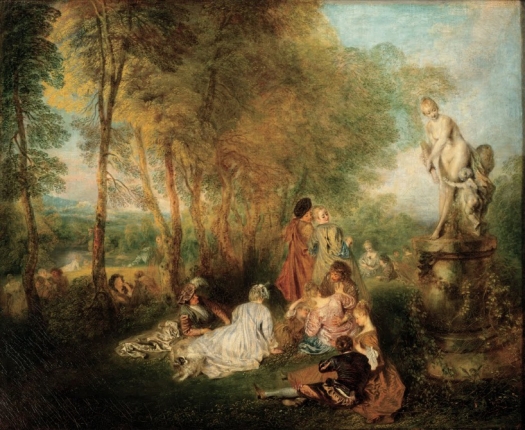
Antoine Watteau : The Feast of Love
ca 1718 – 1719
w750 x h610 cm
Gemäldegalerie Alte Meister, Staatliche Kunstsammlungen Dresden
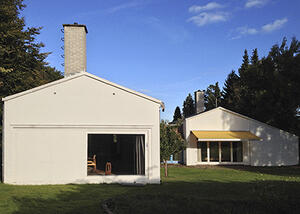
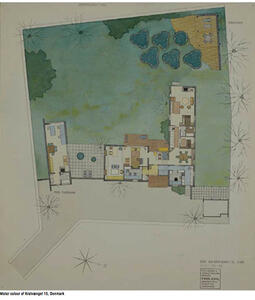
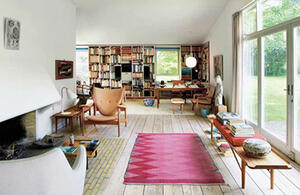
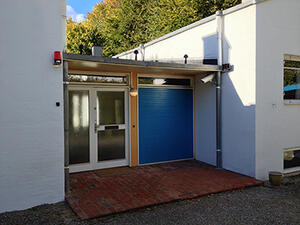
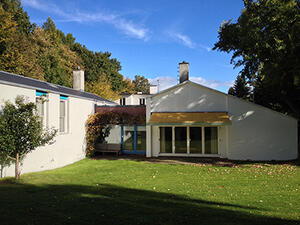
“Finn Juhl built a house at no. 15 Kratvaenget in Ordrup outside Copenhagen, together with his first wife, Inge-Marie Skaarup. It was his ambition to create a home, where he had designed every single detail him-self, and to create an overall, general look. He achieved this in 1942, when the building presented a gradual flow between different areas, rather than a collection of individual rooms.”
House as it is now does not have the left hand structure and patio as shown in sketch.