 |
 |
 |
 |
Five Nereids
 Panopeia (Πανόπεια) Panopeia (Πανόπεια) |
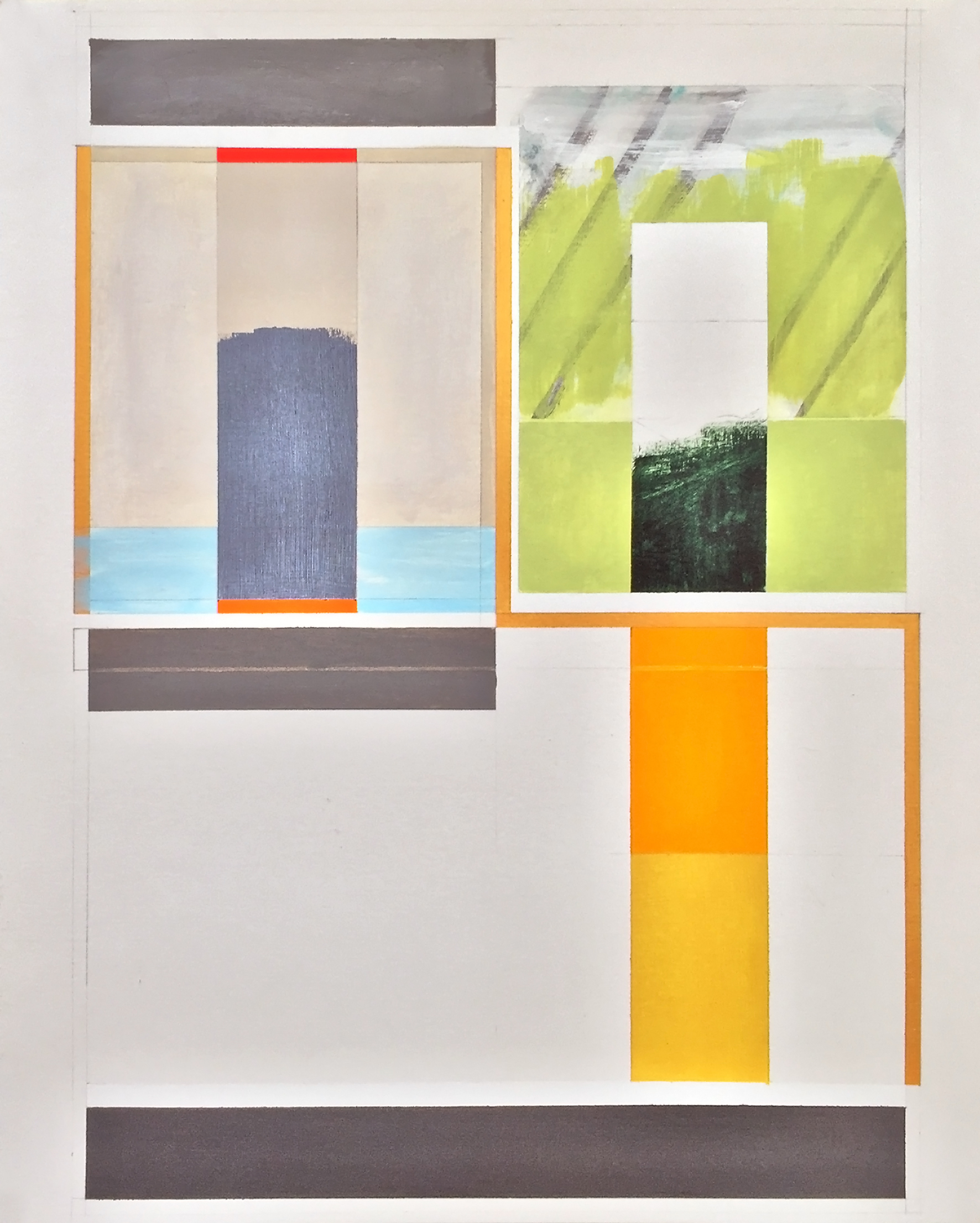 Kymodoke (Κυμοδόκη) Kymodoke (Κυμοδόκη) |
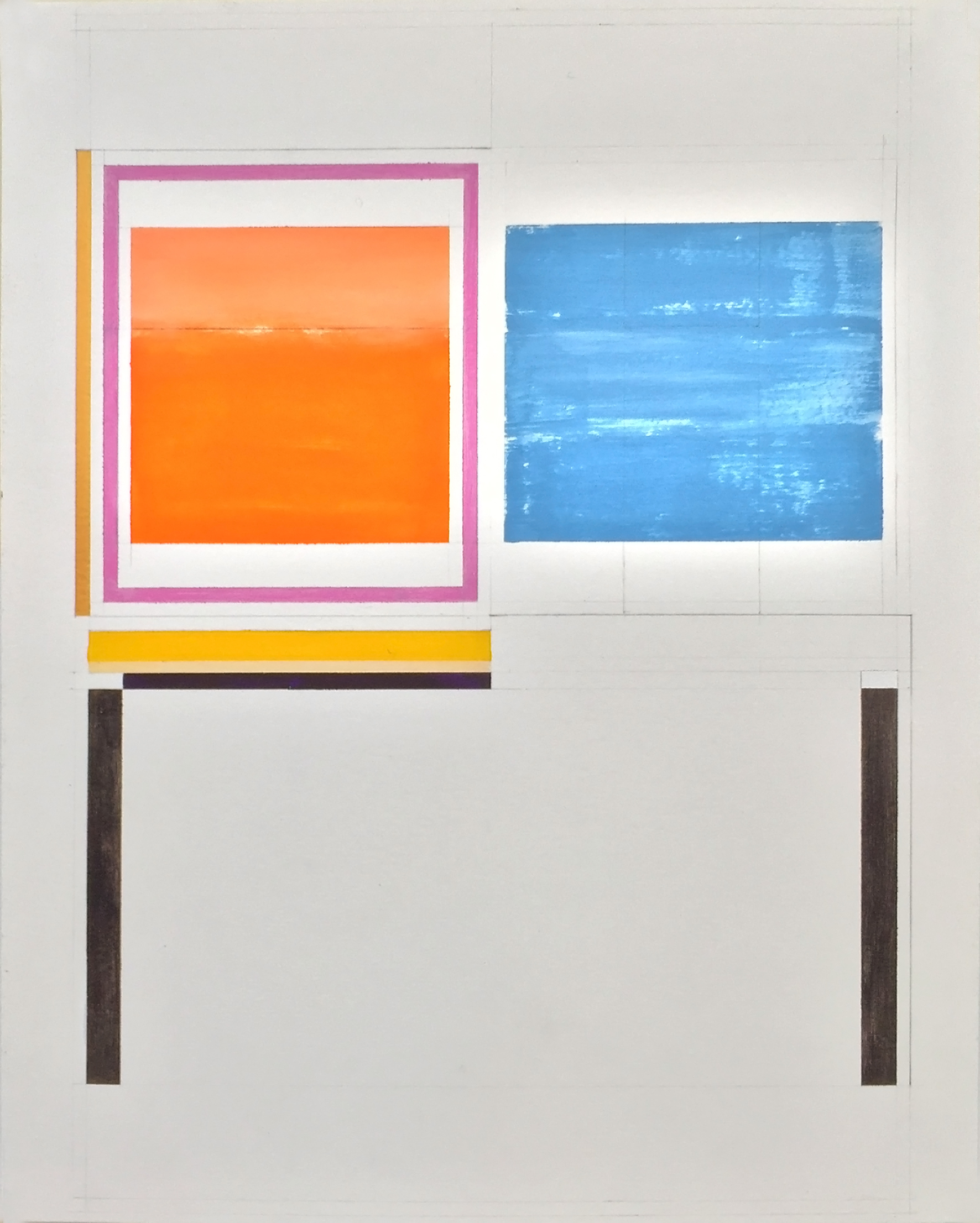 Thaleia (Θάλειά) Thaleia (Θάλειά) |
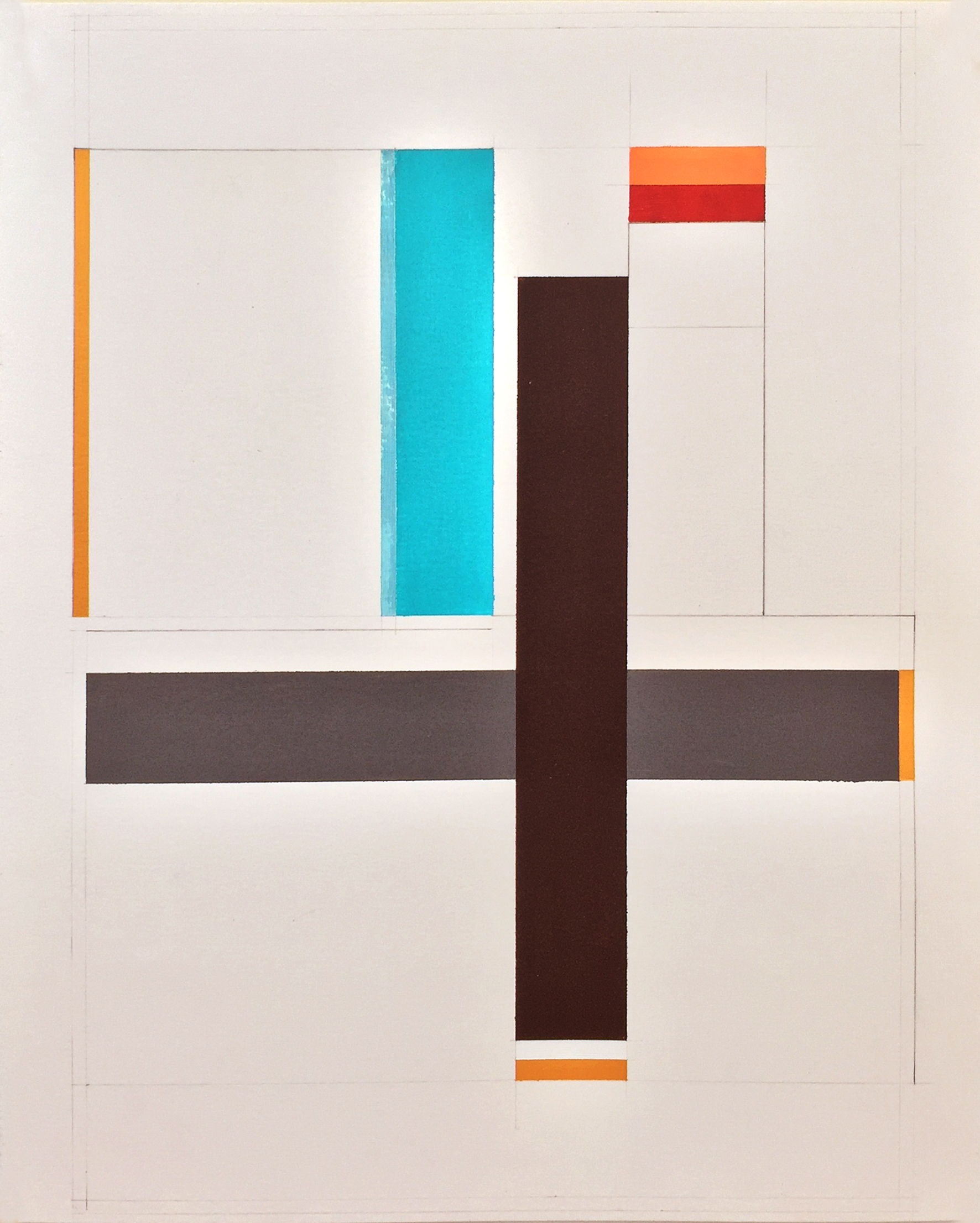 Nesaie (Νησαίη) Nesaie (Νησαίη) |
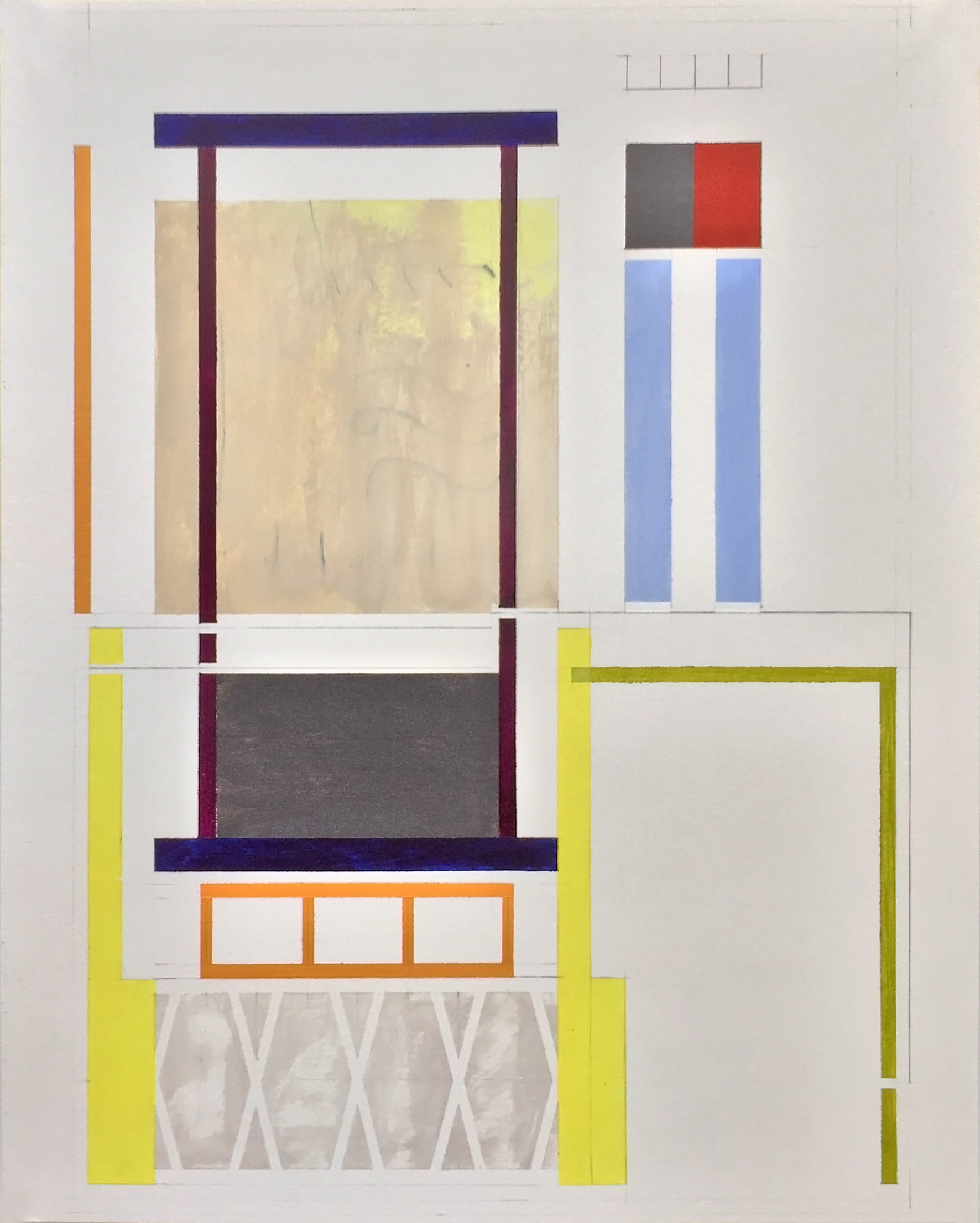 Speio (Σπειώ) Speio (Σπειώ) |
|
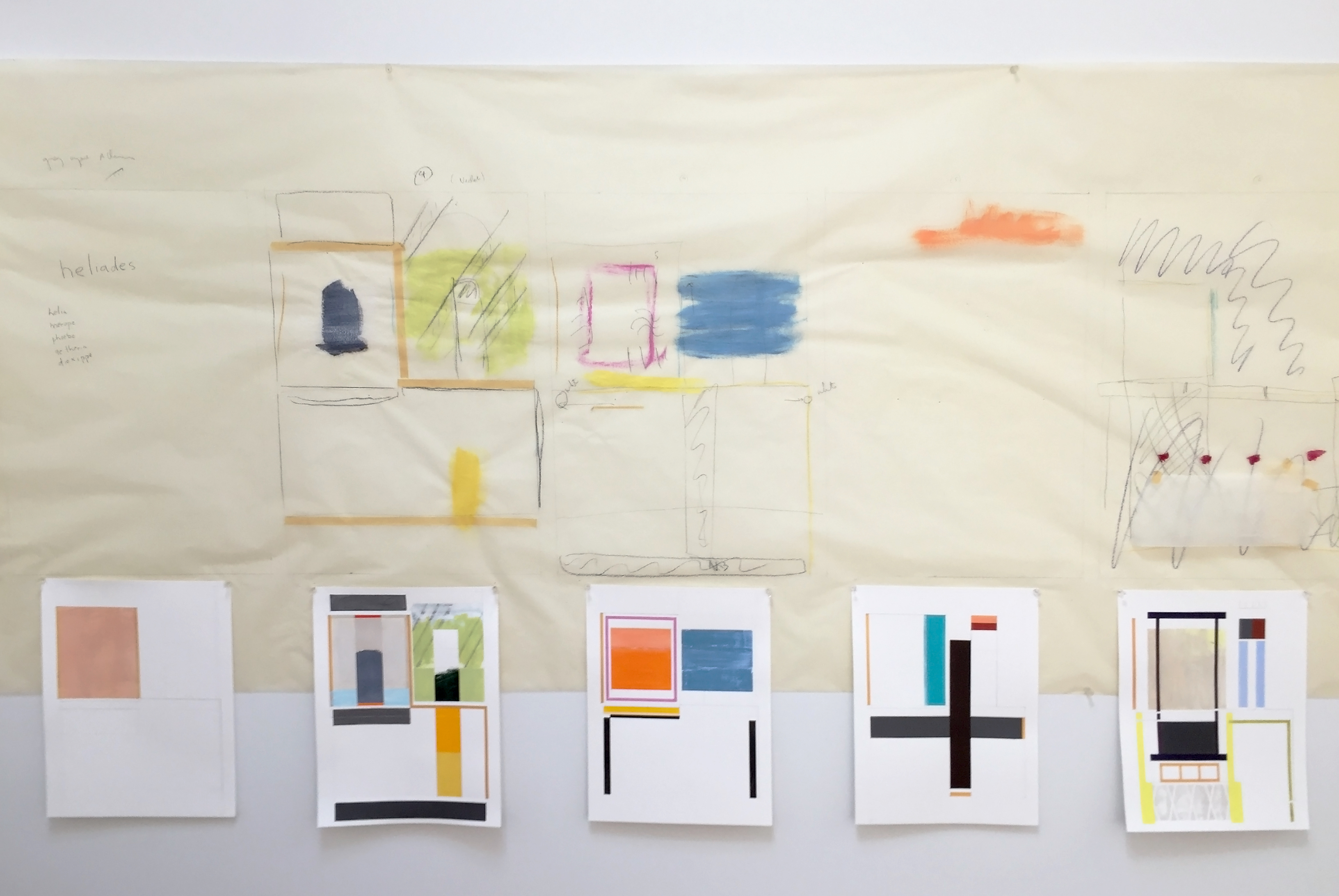 |
|
Virgil, Aeneid 5. 825 ff (trans. Day-Lewis) :
“Lightly skims the dark-blue chariot [of Poseidon] over the sea’s face: . . . then come his retainers . . . on the left are Thetis and Melite and maiden Panopea, Nesaea, too, and Spio, Thalia and Cymodoce.”
· Panopeia (Πανόπεια) The Nereid of the sea’s “panorama.” (Hesiod, Homer, Apollodorus, Hyginus, Virgil)
· Kymodoke (Κυμοδόκη) The Nereid of “steadying the waves” who, with her sisters Amphitrite and Kymatolege, possessed the power to still the winds and calm the sea. (Hesiod, Homer, Hyginus, Virgil)
· Thaleia (Θάλειά) The Nereid of the “blooming” sea. (Homer, Hyginus, Virgil)
· Nesaie (Νησαίη) The Nereid of “islands.” (Hesiod, Homer, Apollodorus, Hyginus, Virgil)
· Speio (Σπειώ) The Nereid of the sea “caves.” (Hesiod, Homer, Apollodorus, Hyginus, Virgil)
Greater Madawaska 2016-09-27

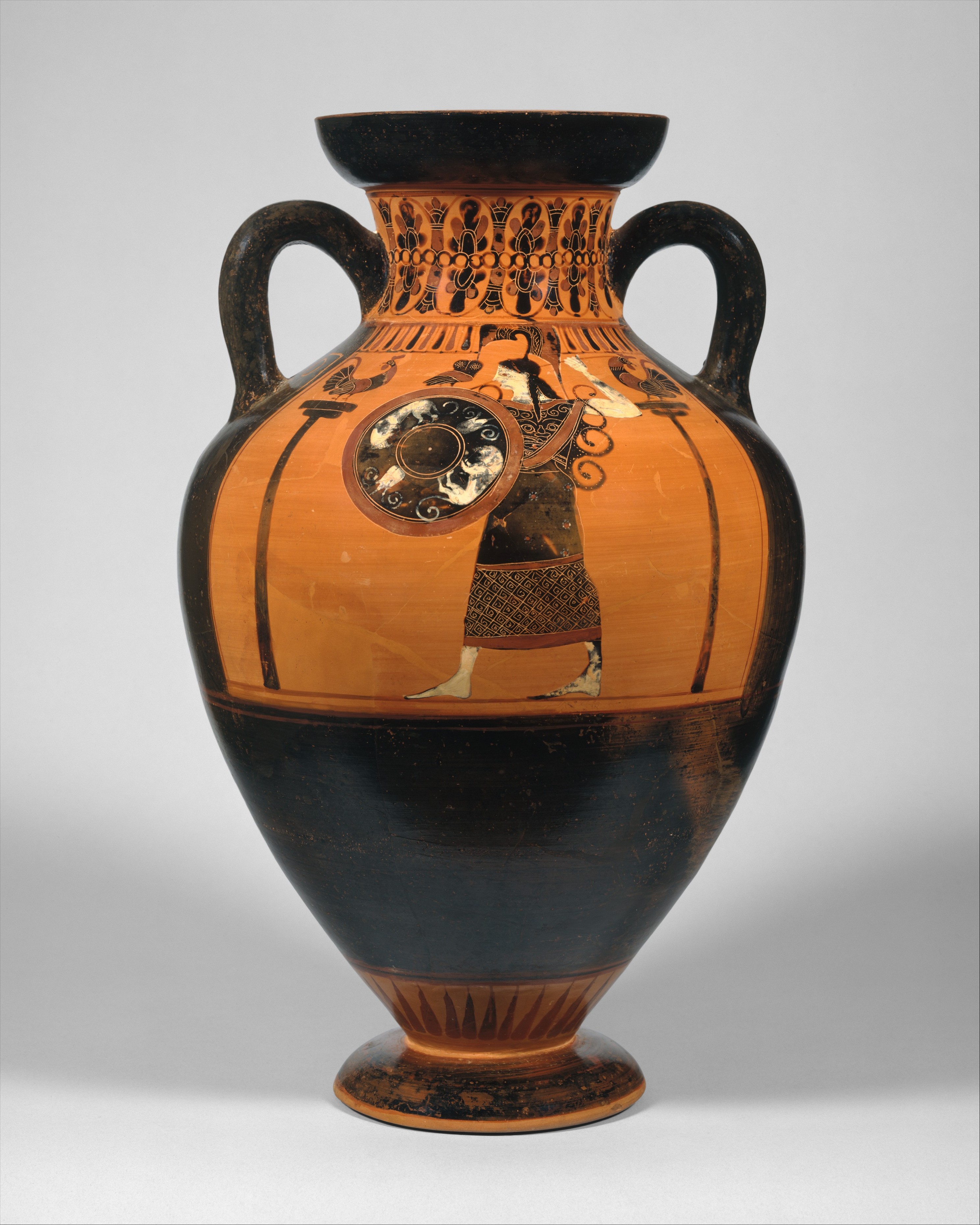
Terracotta neck-amphora of Panathenaic shape
 |
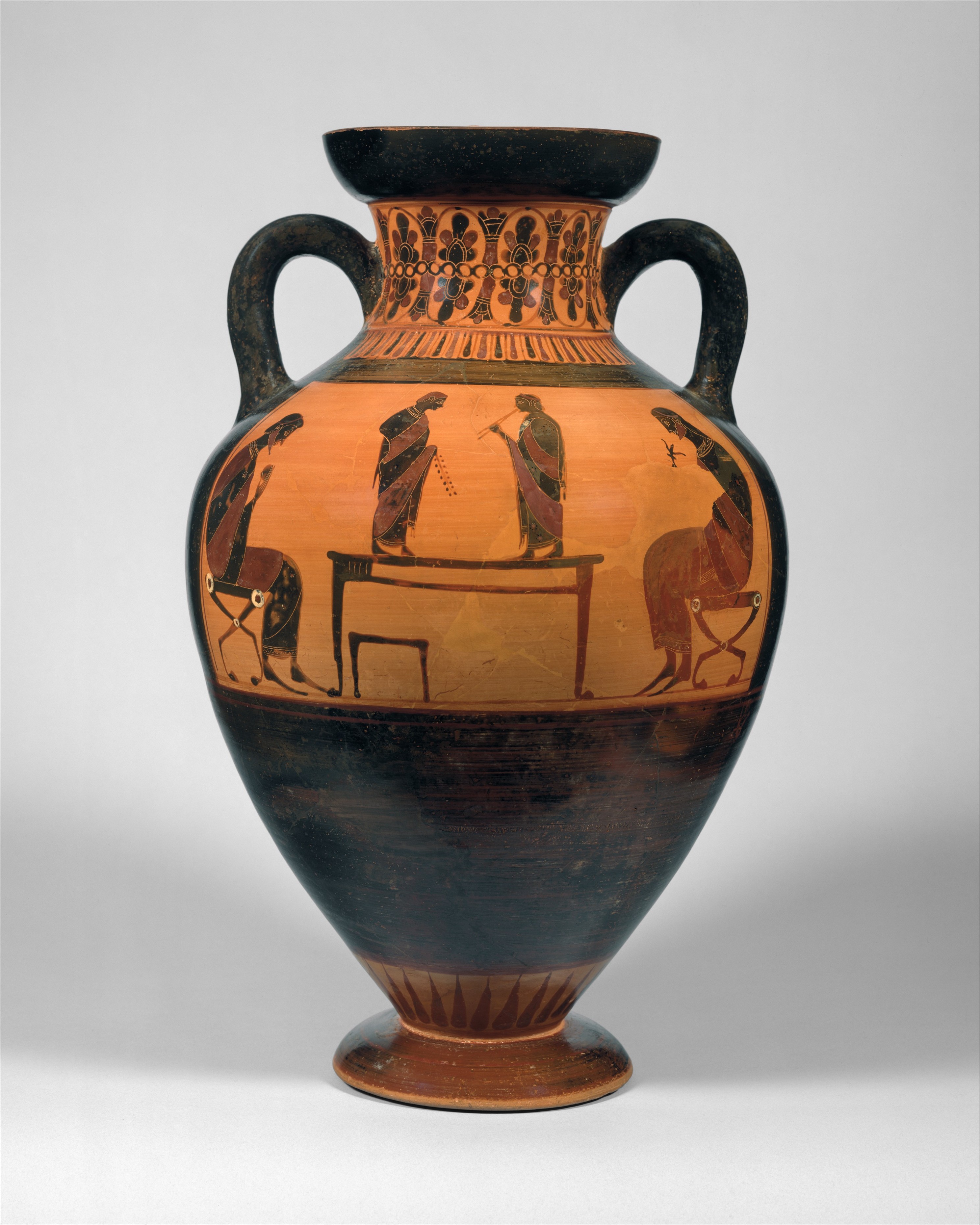 |
Terracotta neck-amphora of Panathenaic shape
Attributed to the Princeton Painter
Archaic ca. 540–530 B.C. | Greek Attic | Terracotta : black-figure
height 15 5/16 in. (38.9 cm) / diameter 10 5/8 in. (27 cm)
Metropolitan Museum of Art
aniconic representation of the Buddha

An aniconic representation of Mara’s assault on the Buddha, Amaravati, India
2nd century CE
Mycenaean Argolis bridge

Surviving example of Mycenaean bridge construction in Argolis, Peloponnesos, Greece
ca 1350 BC
Twombly
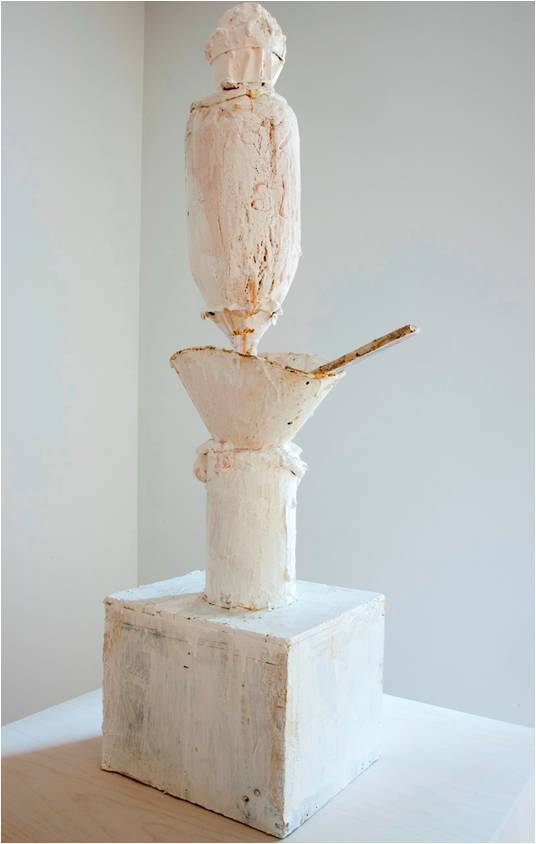
Cy Twombly | Untitled | Lexington | 2005
Plaster, paint, wood, cardboard, metal, paper, cloth, twine, and pencil
46 1/4 x 11 x 17 1/8 inches (117.4 x 27.9 x 43.5 cm)
MOMA
Dancing Durga
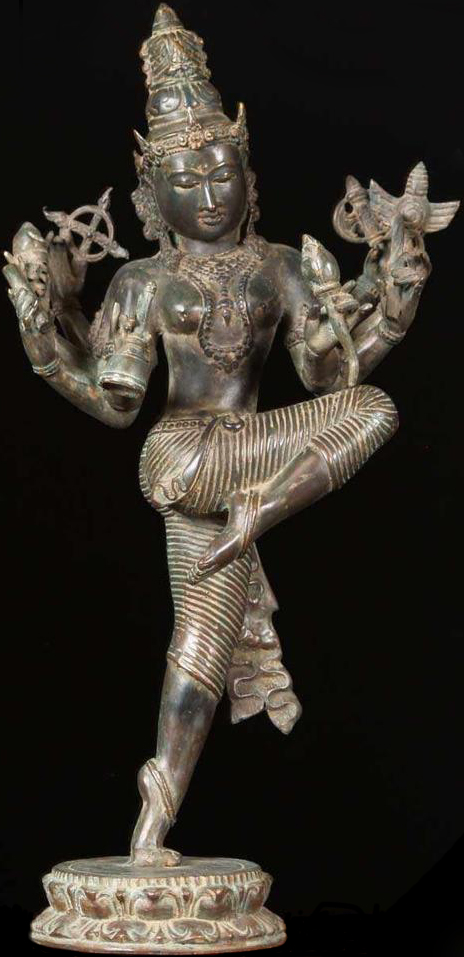
Dancing Durga from Bali or Java via Kala Ksetram
image thanks to @zpr27
Theseus and Amphitrite with Athena looking on
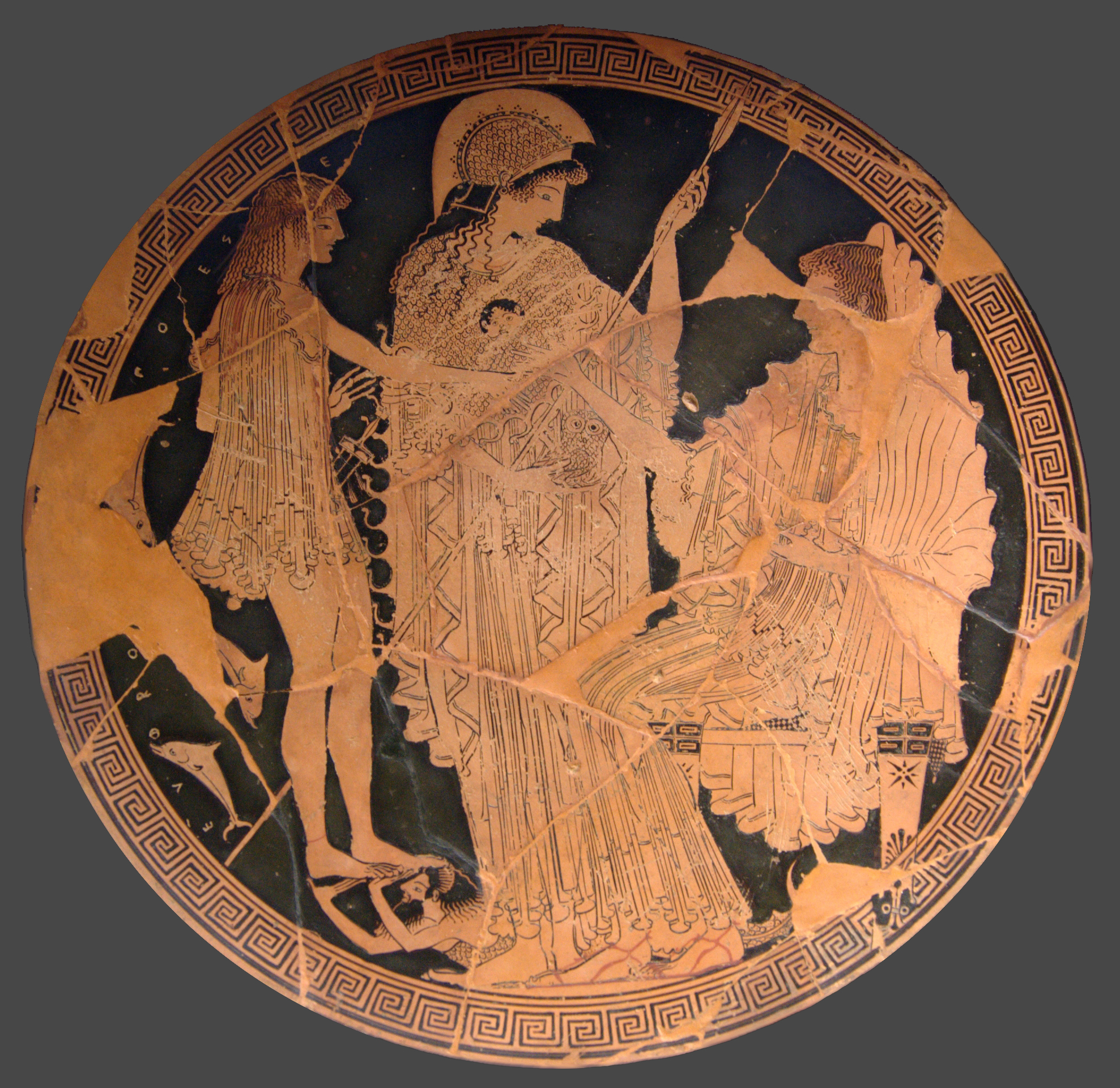
Euphronios, potter (signature); Onesimos, painter
Theseus and Amphitrite with Athena looking on. Interior from an Attic red-figure cup, 500–490 BC. From Cerveteri (ancient Caere), Latium.
Louvre Museum Department of Greek, Etruscan and Roman Antiquities, Sully, first floor, room 43, case 22
H. 9.6 cm (3 ¾ in.), Diam. 39.9 cm (15 ½ in.), W. 49 cm (19 ¼ in.)
Nereids
In Greek mythology, the Nereids (/ˈnɪəriɪdz/ neer-ee-idz; Greek: Νηρηΐδες, sg. Νηρηΐς) are sea nymphs (female spirits of sea waters), the 50 daughters of Nereus and Doris, sister to Nerites.
This list is correlated from four sources: Homer’s Iliad, Hesiod’s Theogony, the Bibliotheca, and Hyginus. Because of this the total number of names goes beyond fifty. [ wikipedia entry ]
| Actaea (Ἀκταίη) Agaue (Ἀγαυὴ) Amatheia (Ἀμάθεια) Amphinome (Ἀμφινόμη) Amphithoe (Ἀμφιθόη) Amphitrite (Ἀμφιτρίτη); the youngest Nereid and wife of Poseidon Apseudes (Ἀψευδὴς) Arethusa Asia Autonoe (Αὐτονόη) Beroe Callianassa (Καλλιάνασσα) Callianeira (Καλλιάνειρα) Ceto Clio Clymene (Κλυμένη) Cranto Creneis Cydippe Cymo (Κυμώ) Cymatolege (Κυματολήγη) Cymodoce (Κυμοδόκη) Cymothoe (Κυμοθόη) Deiopea Dero |
Dexamene (Δεξαμένη) Dione Doris (Δωρίς) Doto (Δωτώ) Drymo Dynamene (Δυναμένη) Eione (Ἠιόνη) Ephyra Erato (Ἐρατώ) Euagore (Εὐαγόρη) Euarne (Εὐάρνη) Eucrante (Εὐκράντη) Eudore (Εὐδώρη) Eulimene (Εὐλιμένη) Eumolpe Eunice (Εὐνίκη) Eupompe (Εὐπόμπη) Eurydice Galene (Γαλήνη) Galatea (Γαλάτεια) Glauce (Γλαύκη) Glauconome (Γλαυκονόμη) Halie (Ἁλίη) Halimede (Ἁλιμήδη) Hipponoe (Ἱππονόη) |
Hippothoe (Ἱπποθόη) Iaera (Ἴαιρα) Ianassa (Ἰάνασσα) Ianeira (Ἰάνειρά) Ione Iphianassa Laomedeia (Λαομέδεια) Leiagore (Ληαγόρη) Leucothoe Ligea Limnoreia (Λιμνώρεια) Lycorias Lysianassa (Λυσιάνασσα) Maera (Μαῖρα) Melite (Μελίτη) Menippe (Μενίππη) Nausithoe Nemertes (Νημερτής) Neomeris Nerea (Νηρεας) Nesaea (Νησαίη) Neso (Νησώ) Opis Oreithyia (Ὠρείθυια) Panopea (Πανόπεια) |
Panope (Πανόπη) Pasithea (Πασιθέη) Pherusa (Φέρουσά) Phyllodoce Plexaure Ploto (Πλωτώ) Polynome Pontomedusa Pontoporeia (Ποντοπόρεια) Poulynoe (Πουλυνόη) Pronoe (Προνόη) Proto (Πρωτώ) Protomedeia (Πρωτομέδεια) Psamathe (Ψαμάθη) Sao (Σαώ) Speio (Σπειώ) Thaleia (Θάλειά) Themisto (Θεμιστώ) Thetis (Θέτις); Leader of the Nereids Thoe (Θόη) Xantho |
Hesiod, Theogony 240 ff (trans. Evelyn-White) (Greek epic C8th or 7th B.C.) :
“To Nereus and to Doris . . . there were born in the barren sea daughters greatly beautiful even among goddesses : Ploto and Eukrante and Amphitrite and Sao, Eudora and Thetis, and Galene and Glauke, Kymothoe and Speio, and Thoe and lovely Halia, Pasithea and Erato, Eunike of the rose arms, and graceful Melite and Eulimene and Agaue, Doto and Proto, Dynamene and Pherousa, Nesaie and Aktaie and Protomedeia, Doris and Panopeia, and Galateia the beautiful, Hippothoe the lovely and Hipponoe of the rose arms, Kymodoke who, with Kymatolege and Amphitrite, light of foot, on the misty face of the open water easily stills the waves and hushes the winds in their blowing. Kymo and Eione, Halimede of the bright garland, Glaukonome, the lover of laughter, and Pontoporeia, Leagore and Euagore and Laomedeia, Poulynoe and Autonoe and Lysianassa, Euarne of the lovely figure and face of perfection, Psamathe of the graceful form and shining Menippe, Neso and Eupompe, and Themisto and Pronoe, and Nemertes, whose mind is like that of her immortal father. These were the daughters born to irreproachable Nereus, fifty in all, and the actions they know are beyond reproach, also.”
Thetis
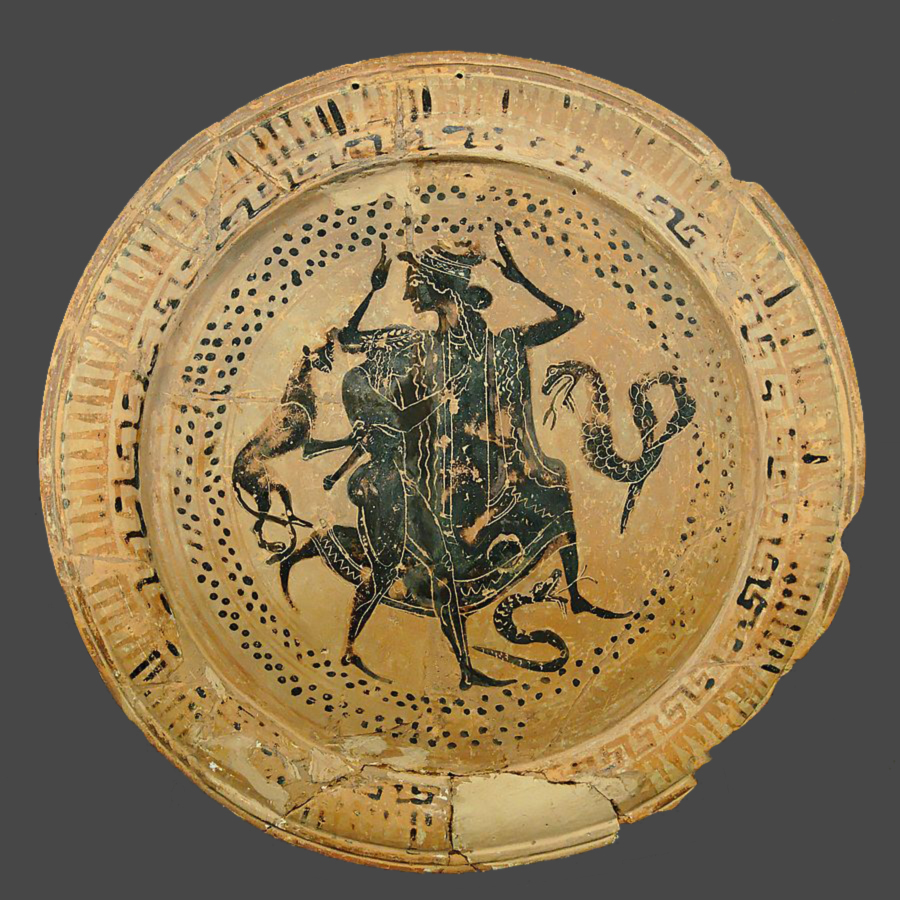
Immortal Thetis with the mortal Peleus in the foreground, Boeotian black-figure dish, c. 500–475 BC – Louvre.
Thetis (/ˈθɛtɪs/; Greek: Θέτις [tʰétis]), is encountered in Greek mythology mostly as a sea nymph or known as the goddess of water, one of the 50 Nereids, daughters of the ancient sea god Nereus. [ wikipedia entry ]
grey eyed Athena
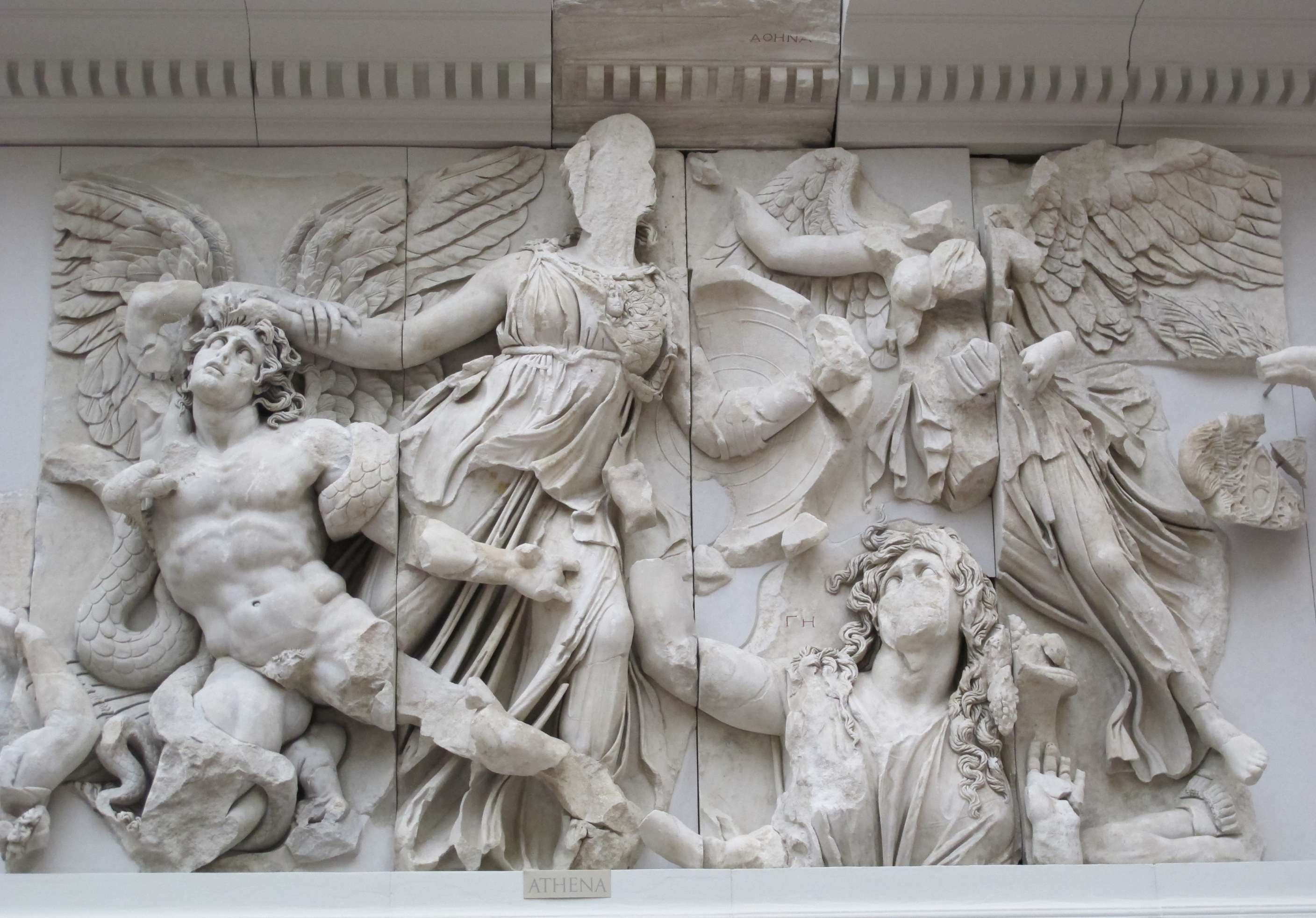
Winged Giant (usually identified as Alcyoneus), Athena, Gaia (rising from the ground), and Nike, detail of the Gigantomachy frieze, Pergamon Altar, Pergamon museum, Berlin
In poetry from Homer, an oral tradition of the 8th or 7th century BC, onward, Athena’s most common epithet is Glaukopis (γλαυκῶπις), which usually is translated as, bright-eyed or with gleaming eyes. The word is a combination of glaukos (γλαυκός, meaning gleaming, silvery, and later, bluish-green or gray) and ops (ὤψ, eye, or sometimes, face) | wikipedia entry
Ποσειδάων (Poseidáōn)
Poseidon rushes to the defense of the Argives | The Iliad : Book 13 | Battling for the Ships
Robert Fagles translation
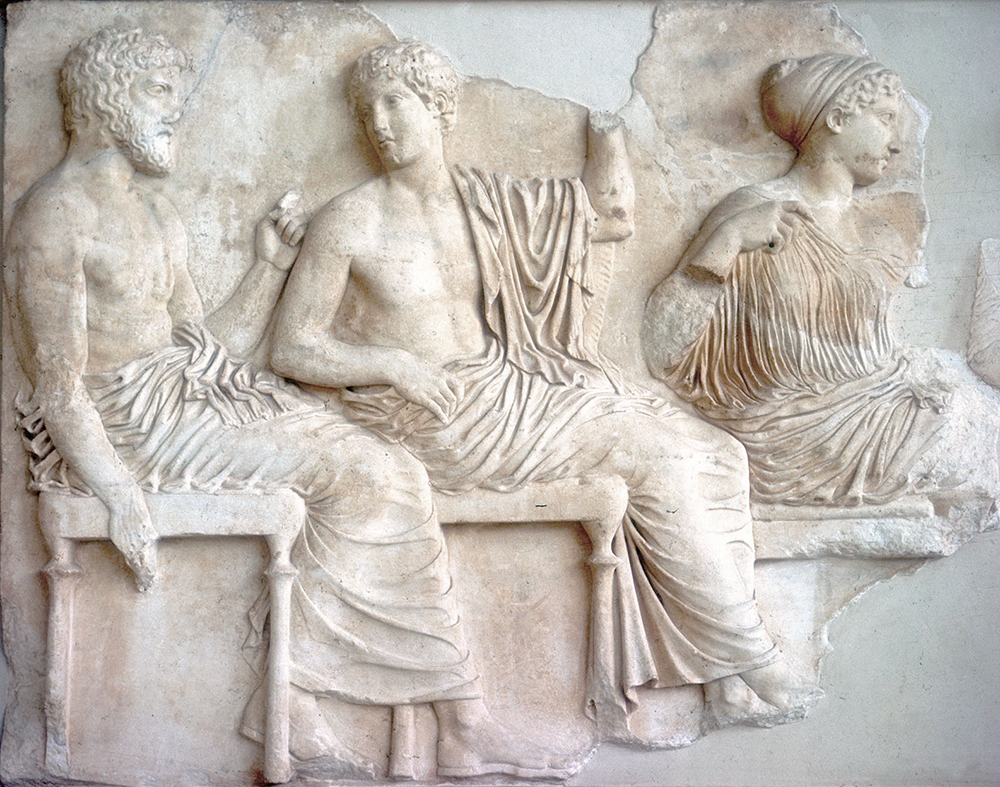
Poseidon, Apollo, and Artemis, marble relief, portion of the east section of the Parthenon frieze, 448–429 bce [ New Acropolis Museum, Athens ]
Chitarman II

Chitarman II | Muhammad Shah Making Love | ca. 1735
British Library, London
John Dee